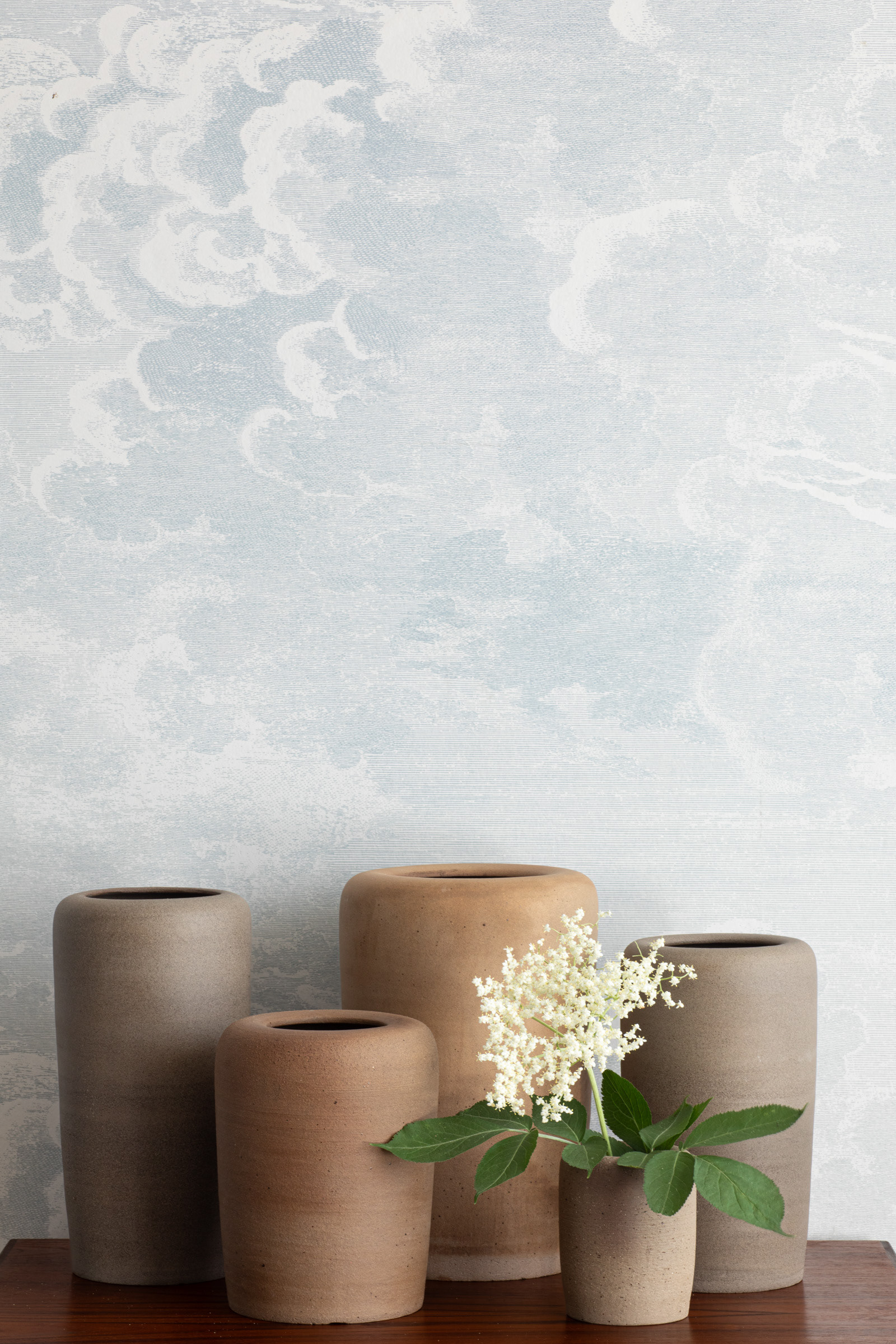
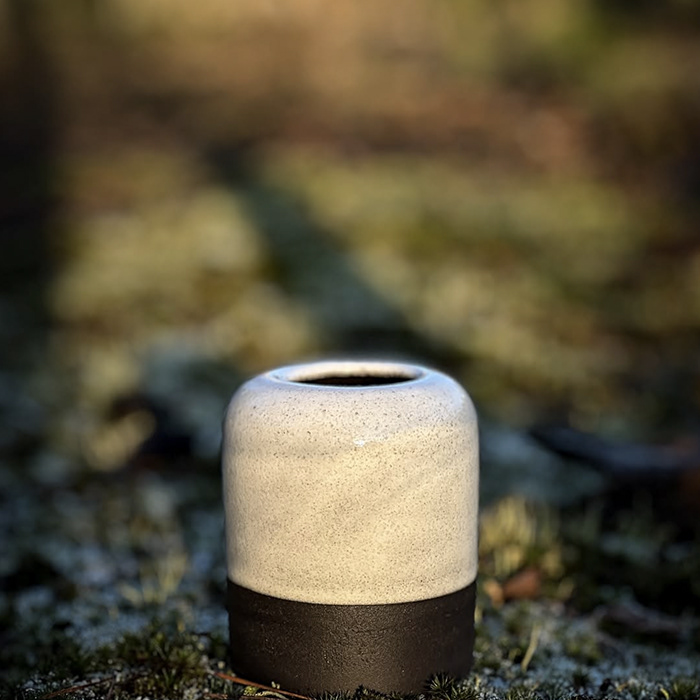
THE EARTH is a series of unique ceramic forms, glazed on the inside and fired at 1240°C.
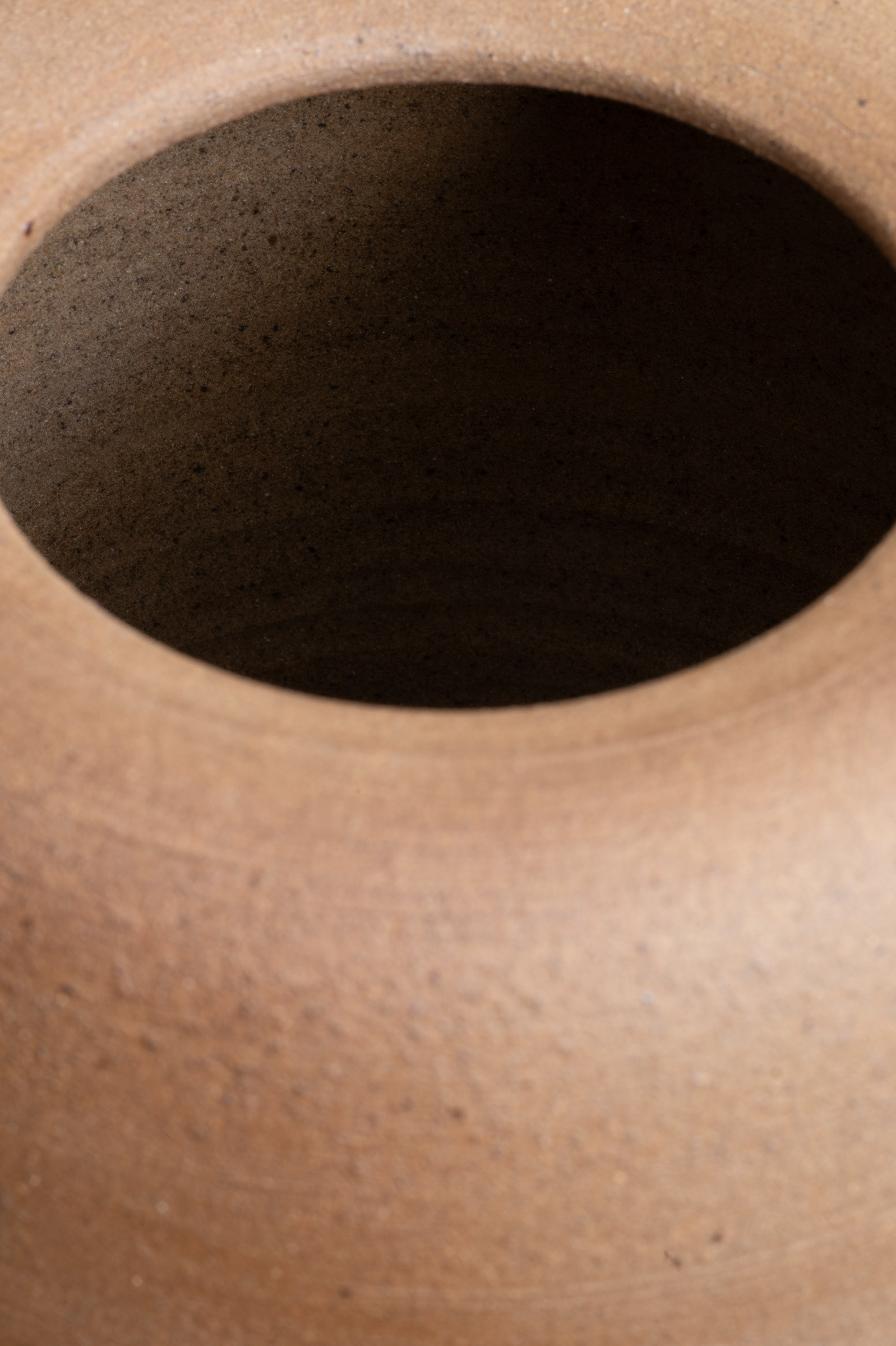
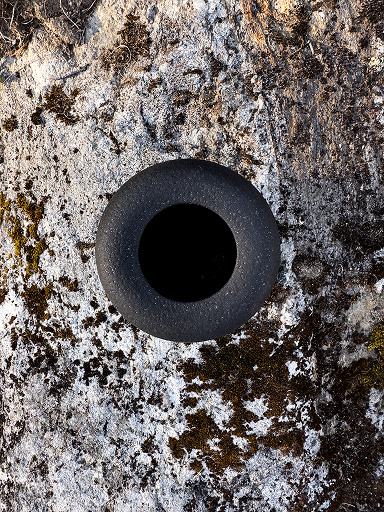
Simple, cylindrical and compact forms of varying scale reference geological drill cores. The characteristic opening of the series draws attention to the rim and leads the eye towards the concealed interior, emphasising the relationship between the mass of the form and the void enclosed within it.
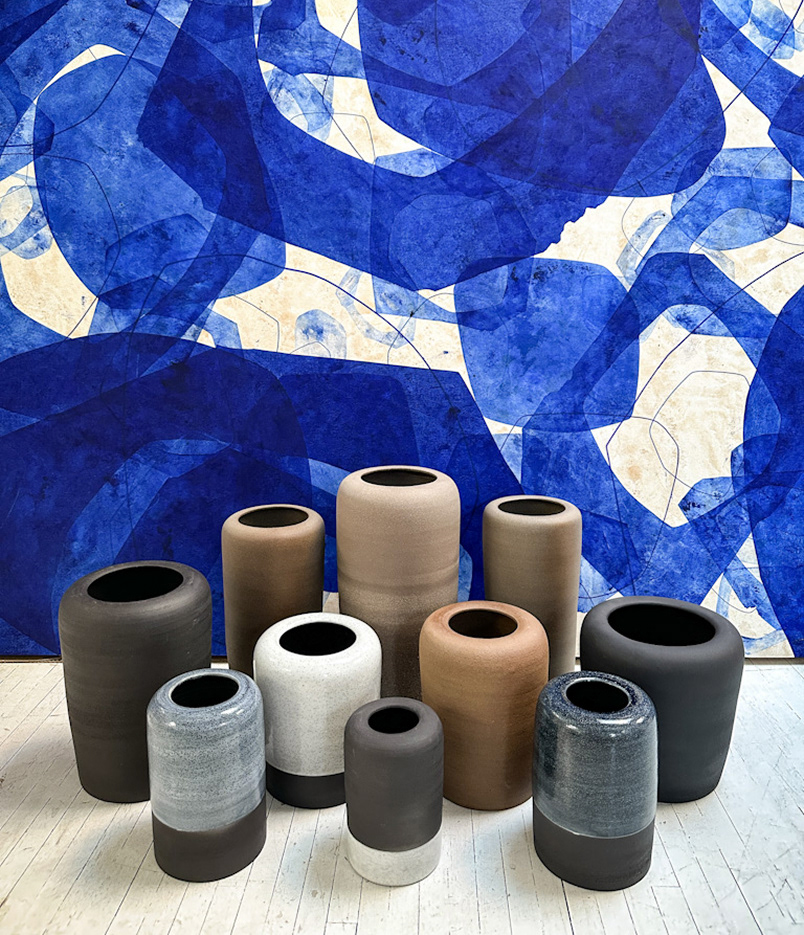
The series currently comprises six variations: PERMIAN, CORE, LOESS, DOLOMITE, VALLDAL and SKY.
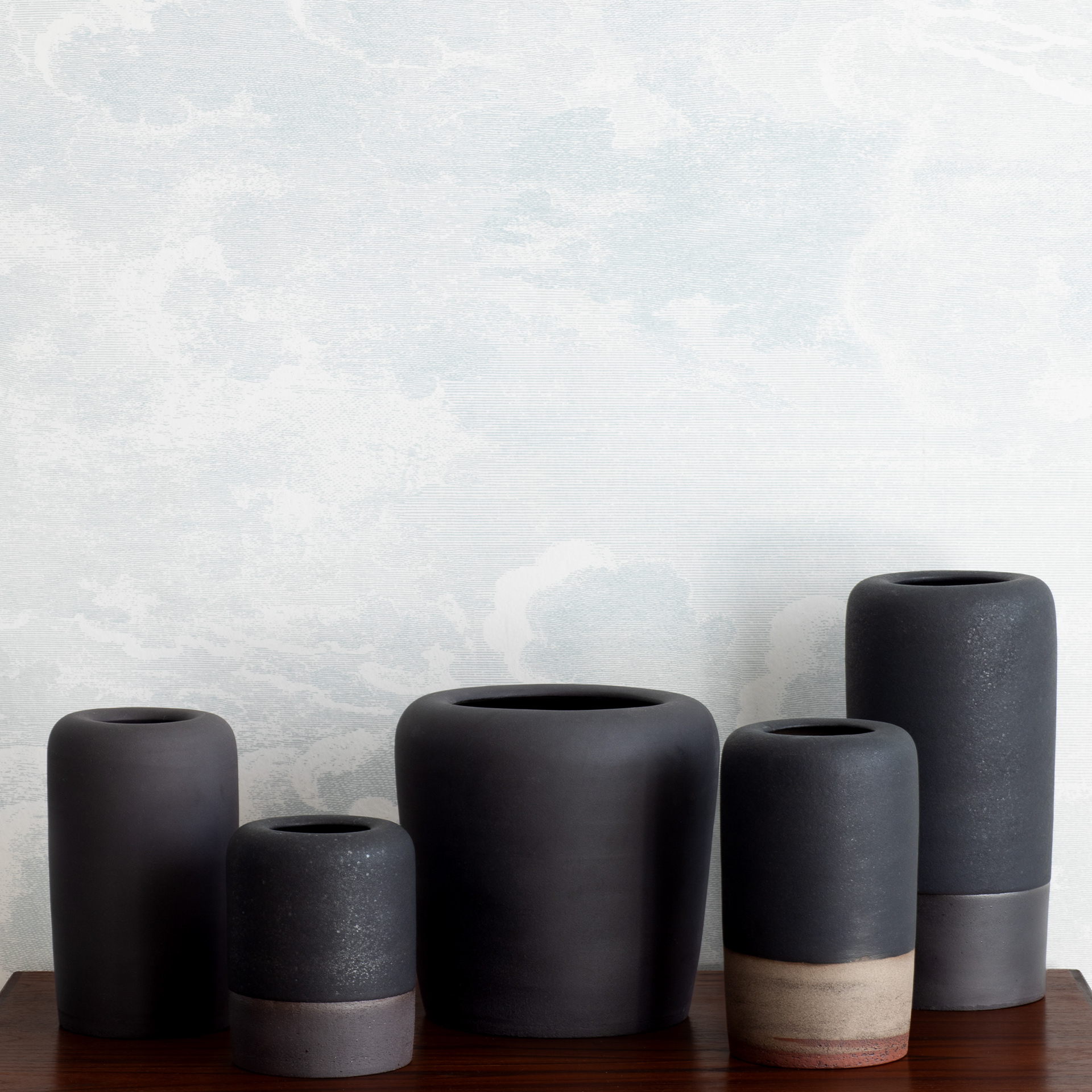
THE EARTH to seria unikatowych form ceramicznych, szkliwionych wewnątrz i wypalanych w temperaturze 1240°C.
Proste, cylindryczne i zwarte formy o różnej skali nawiązują do geologicznych rdzeni wiertniczych. Charakterystyczny dla serii otwór zwraca uwagę na krawędź i prowadzi wzrok ku ukrytemu wnętrzu, podkreślając relację między masą formy a domkniętą w niej pustką.
Obecnie seria obejmuje sześć wariacji: PERMIAN, CORE, LOESS, DOLOMITE, VALLDAL i SKY.
A memory of the Earth
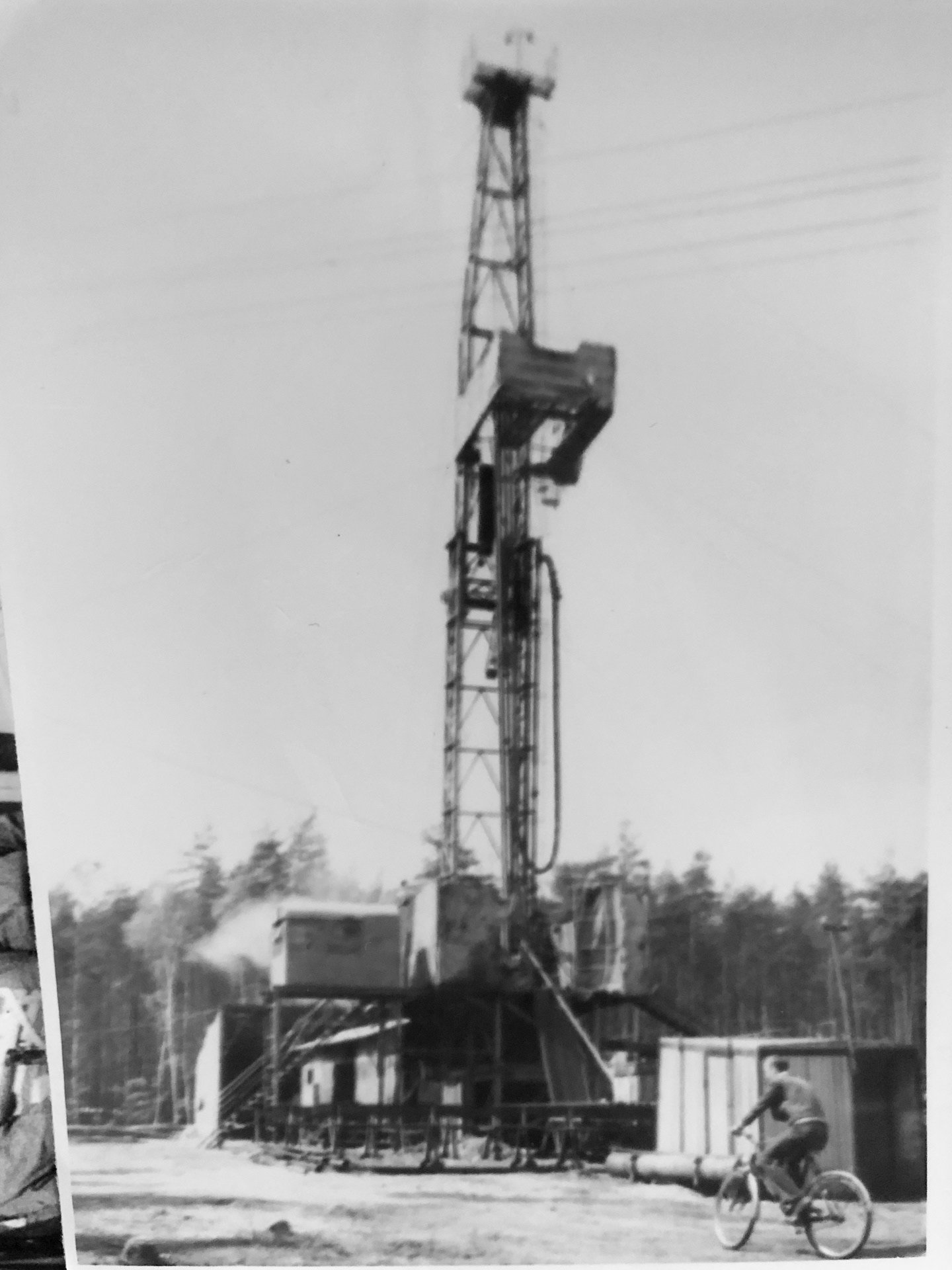
For me, THE EARTH is a memory of the Earth as I came to know it while growing up near oil drilling sites. It is a memory of constant contact with nature, but also of the time I spent with my mother in a geological office, where I watched freshly extracted drill cores. She meticulously described each one, typing on a typewriter and recording, layer by layer, what had previously remained hidden deep beneath the Earth’s surface.
Over time, I became increasingly aware of the contradiction within this experience. My fascination with the strength, age and beauty of the Earth’s matter collided with human intervention: drilling into it, passing through successive layers and extracting its resources without restraint. Only years later did I understand that the landscape of my childhood was also a landscape of aggressive exploitation.
Pamięć Ziemi
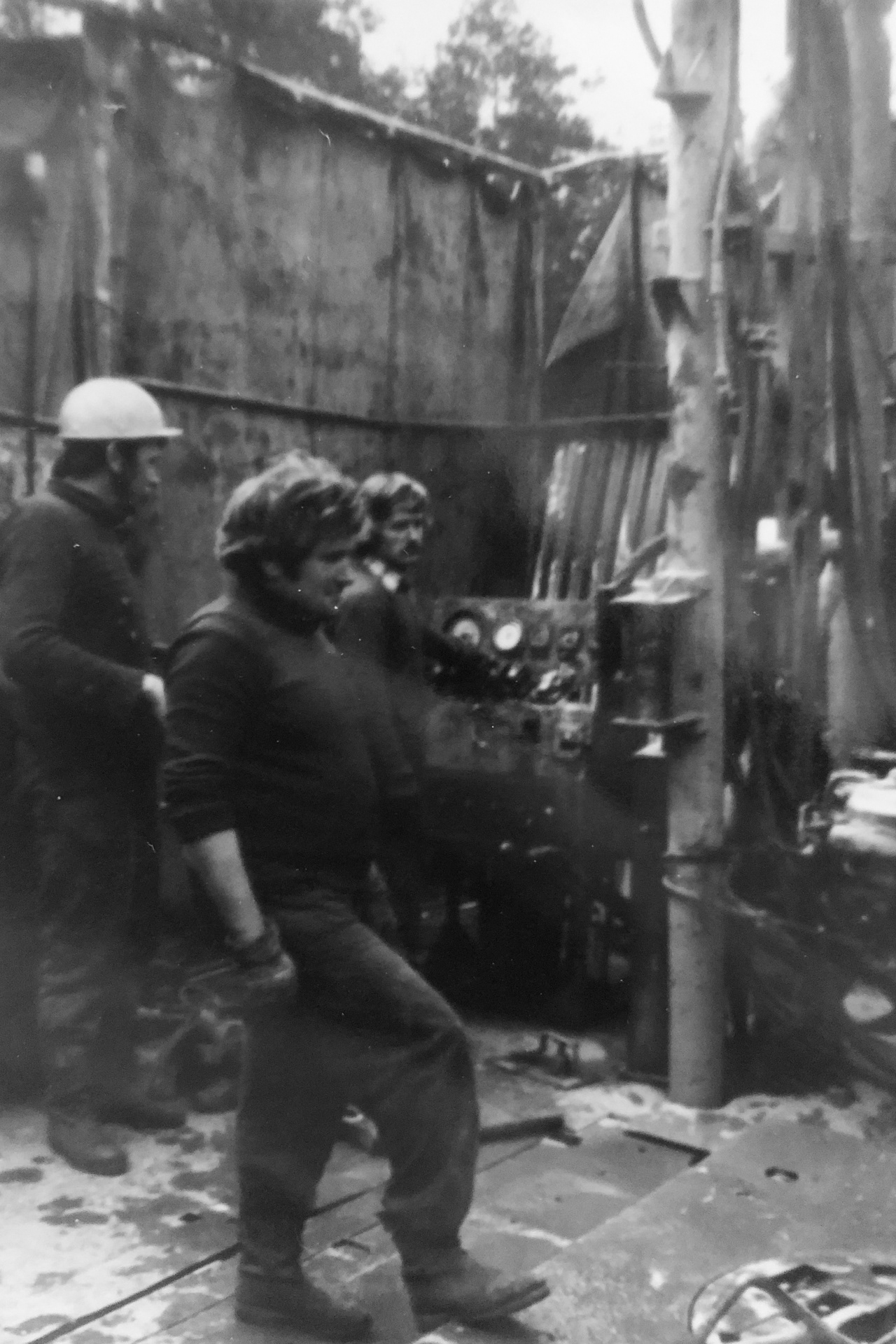
THE EARTH jest dla mnie pamięcią Ziemi takiej, jaką poznawałem, dorastając przy odwiertach naftowych. Pamięcią nieustannego kontaktu z naturą, ale także czasu spędzanego z mamą w kancelarii geologicznej, gdzie przyglądałem się świeżo wydobytym rdzeniom wiertniczym. Mama skrupulatnie opisywała każdy z nich, stukając na maszynie do pisania i warstwa po warstwie zapisując to, co wcześniej pozostawało ukryte głęboko pod powierzchnią Ziemi.
Z czasem coraz mocniej dostrzegałem sprzeczność obecną w tym doświadczeniu. Zachwyt nad siłą, wiekiem i pięknem materii Ziemi zderzał się z ingerencją człowieka, który wwierca się w nią, przekracza kolejne warstwy i bez ograniczeń wydobywa jej zasoby. Dopiero po latach zrozumiałem, że krajobraz mojego dzieciństwa był jednocześnie krajobrazem agresywnej eksploatacji.
A trace of intrusion into the depths
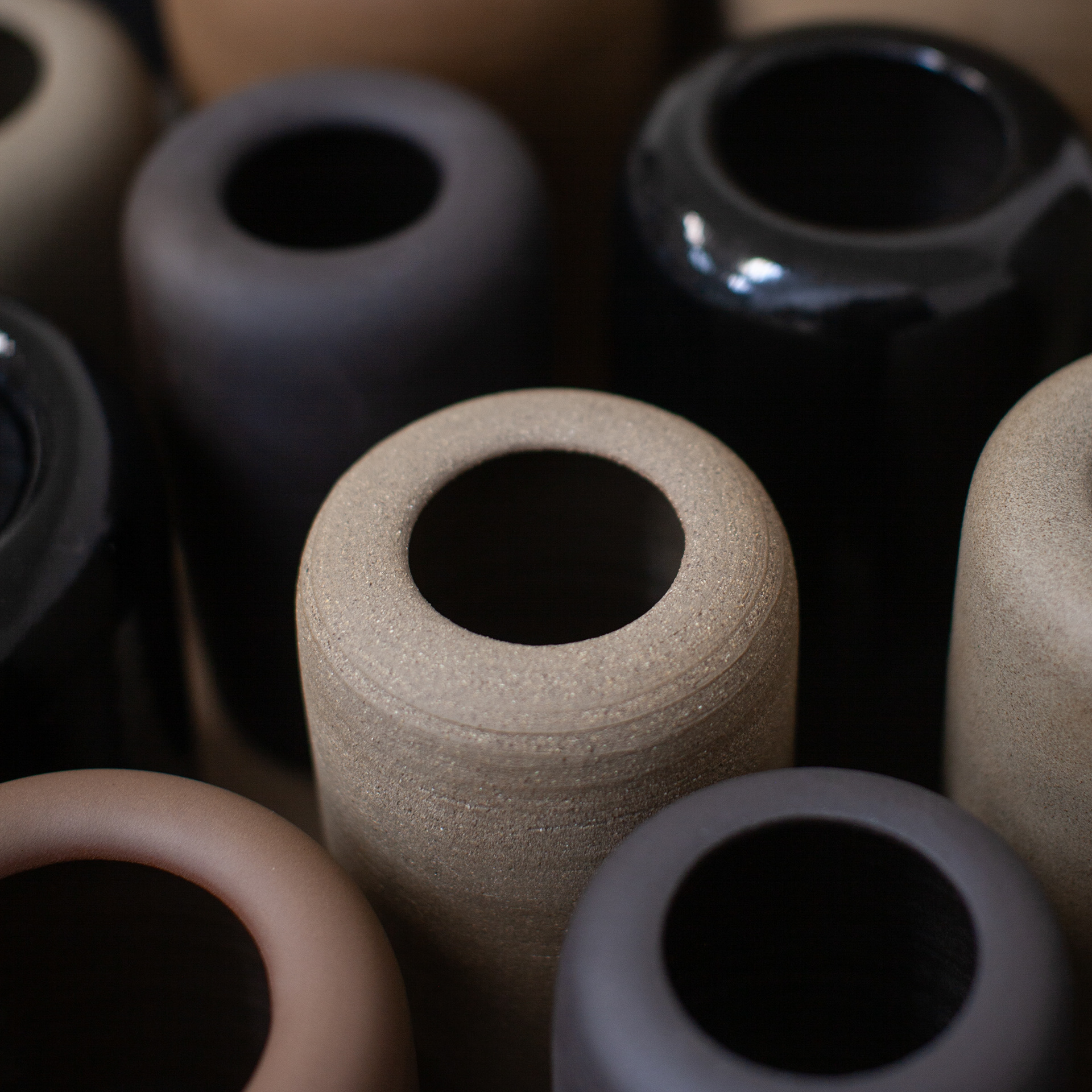
The characteristic opening in the forms of THE EARTH is a trace of this intrusion into the depths. A narrow, discreet entrance leads to a much larger interior and to the void enclosed within it.
It refers to a borehole that may appear small at the surface, although it is created using immense force capable of breaking through rock and reaching resources accumulated by the Earth on a timescale beyond comparison with a human lifespan.
Ślad wdzierania się w głąb
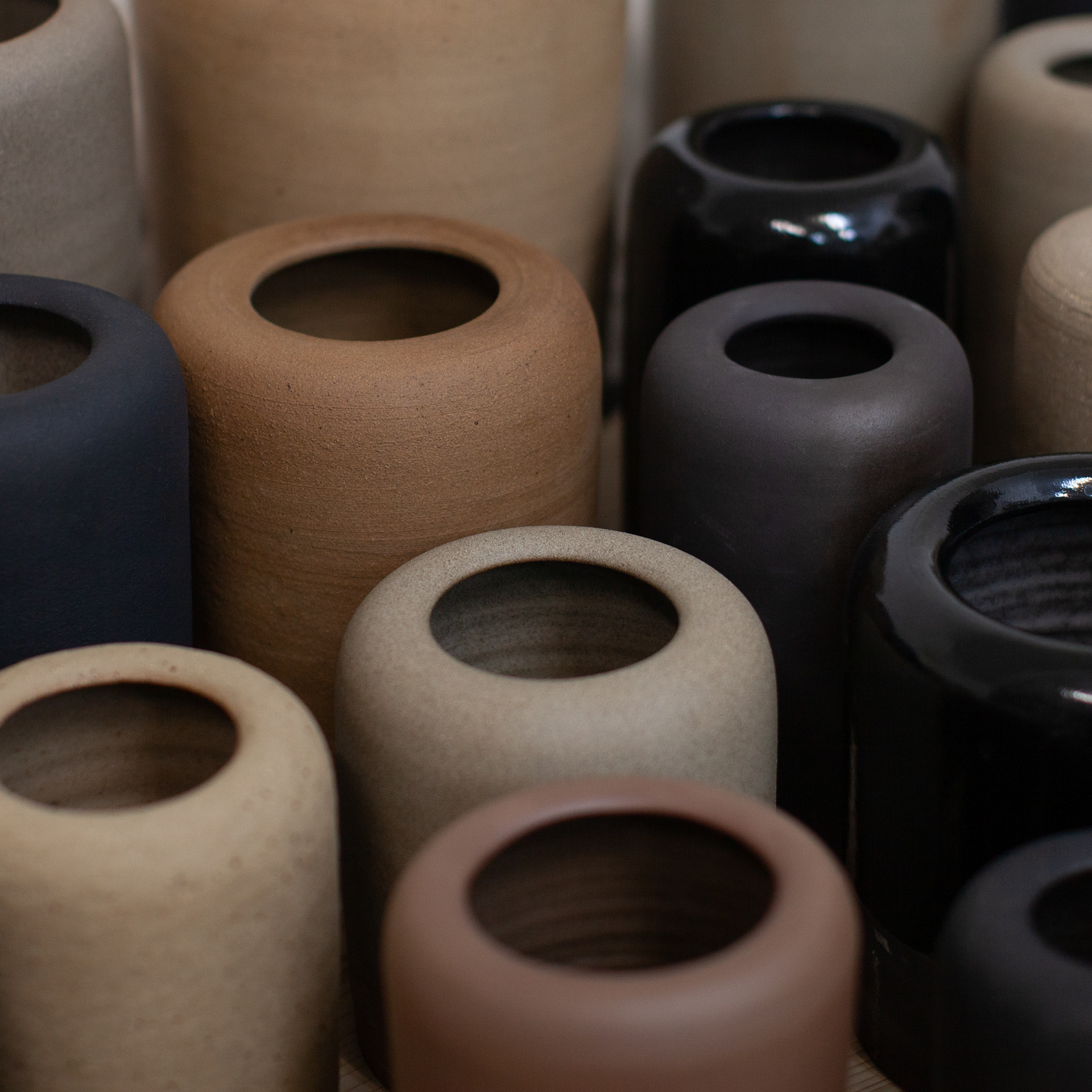
Charakterystyczny otwór form THE EARTH jest śladem tego wdzierania się w głąb. Wąskie, dyskretne wejście prowadzi do znacznie większego wnętrza i domkniętej w nim pustki.
Nawiązuje do odwiertu, który z powierzchni może wydawać się niewielki, choć powstaje dzięki ogromnej sile zdolnej przebijać się przez skały i docierać do zasobów gromadzonych przez Ziemię w czasie nieporównywalnym z długością ludzkiego życia.
Variations
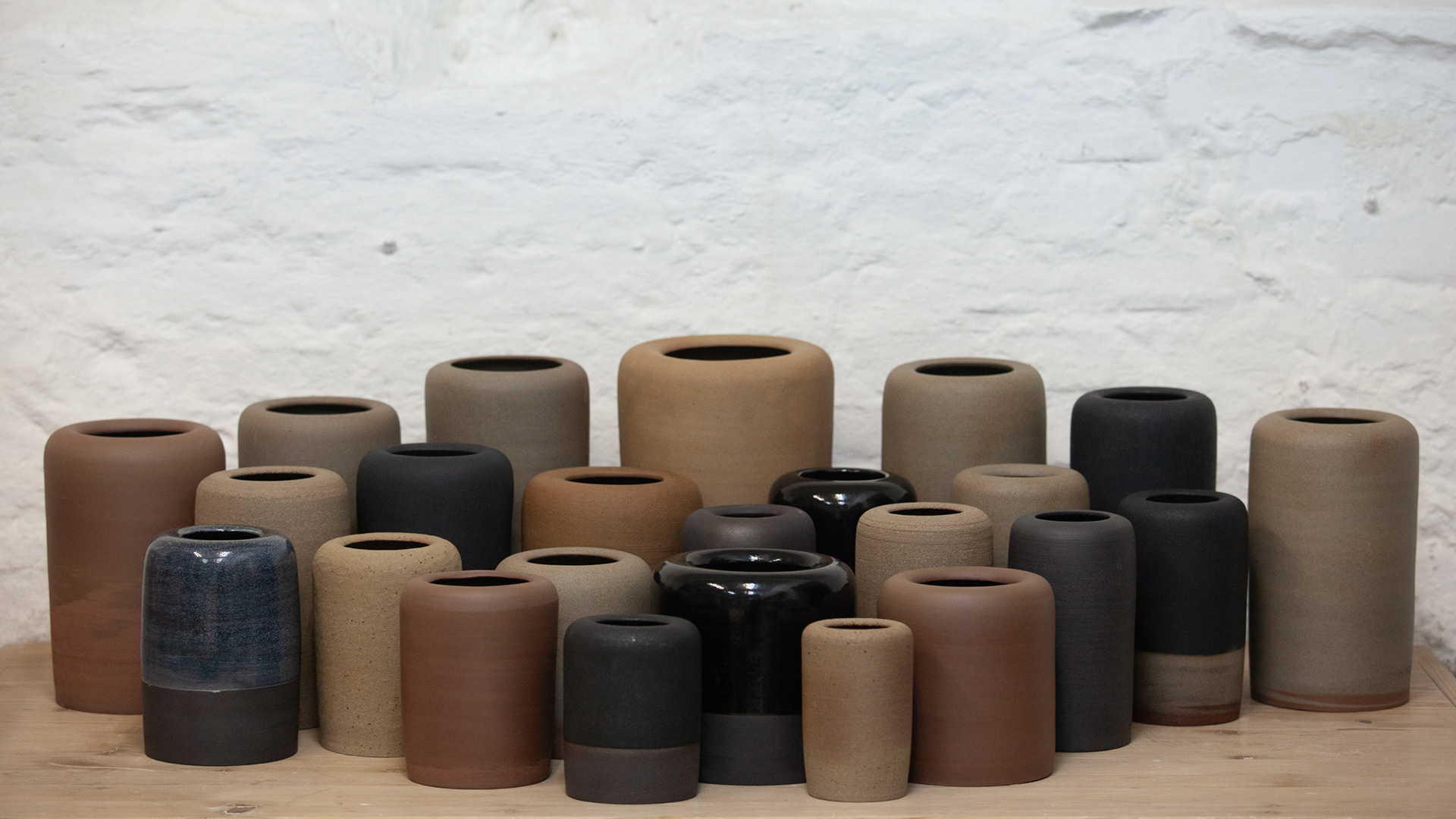
The forms of THE EARTH are my return to the familiar images of drill cores. The individual variations refer to specific rocks, sediments, arrangements of strata, geological periods and places.
I do not attempt to reproduce them literally. Instead, I translate the colours, weight and textures drawn from them into the language of ceramics. I reveal a less visible side of the Earth while also drawing attention to the traces that humans leave within it.
PERMIAN
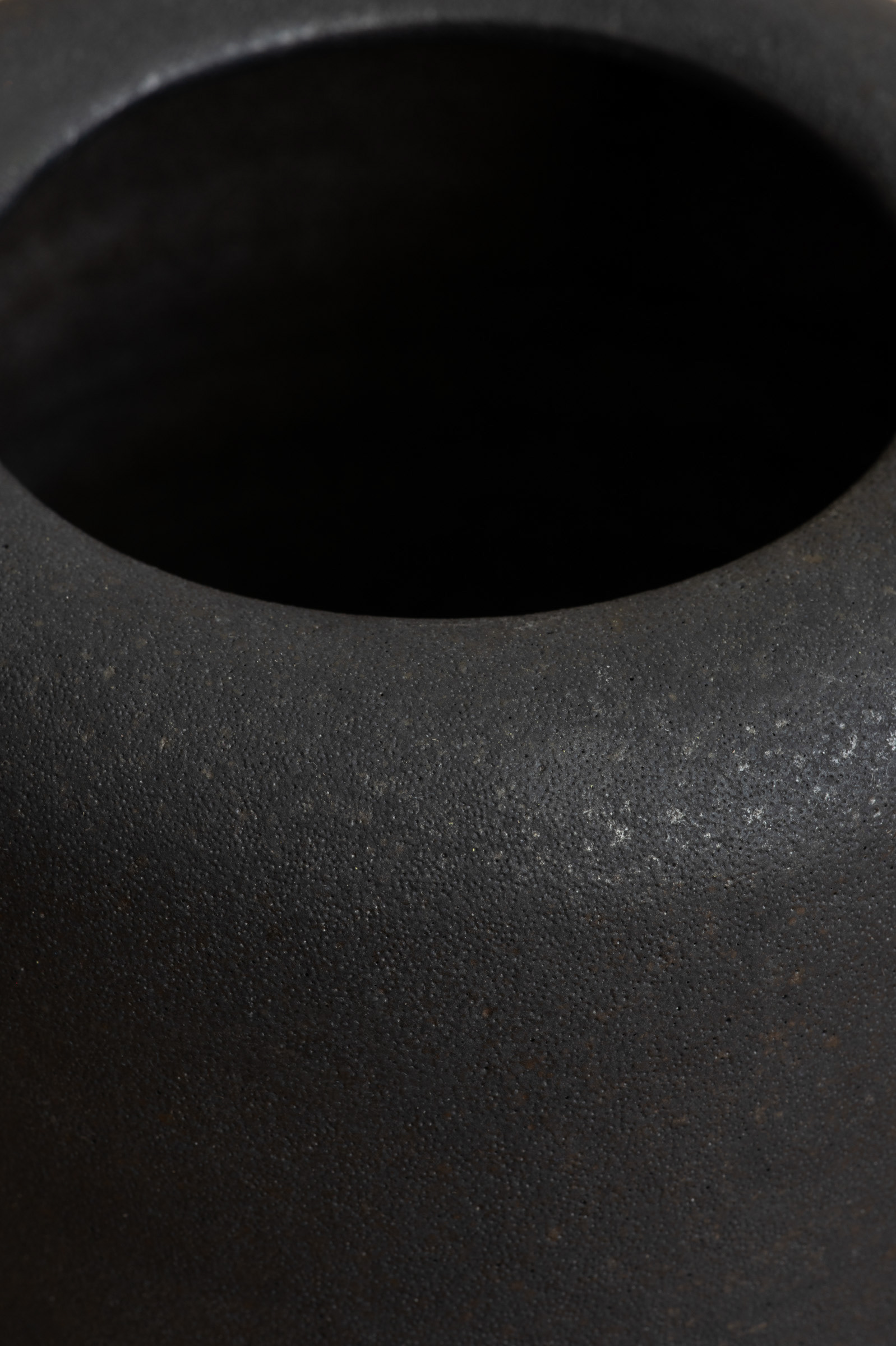
VALLDAL
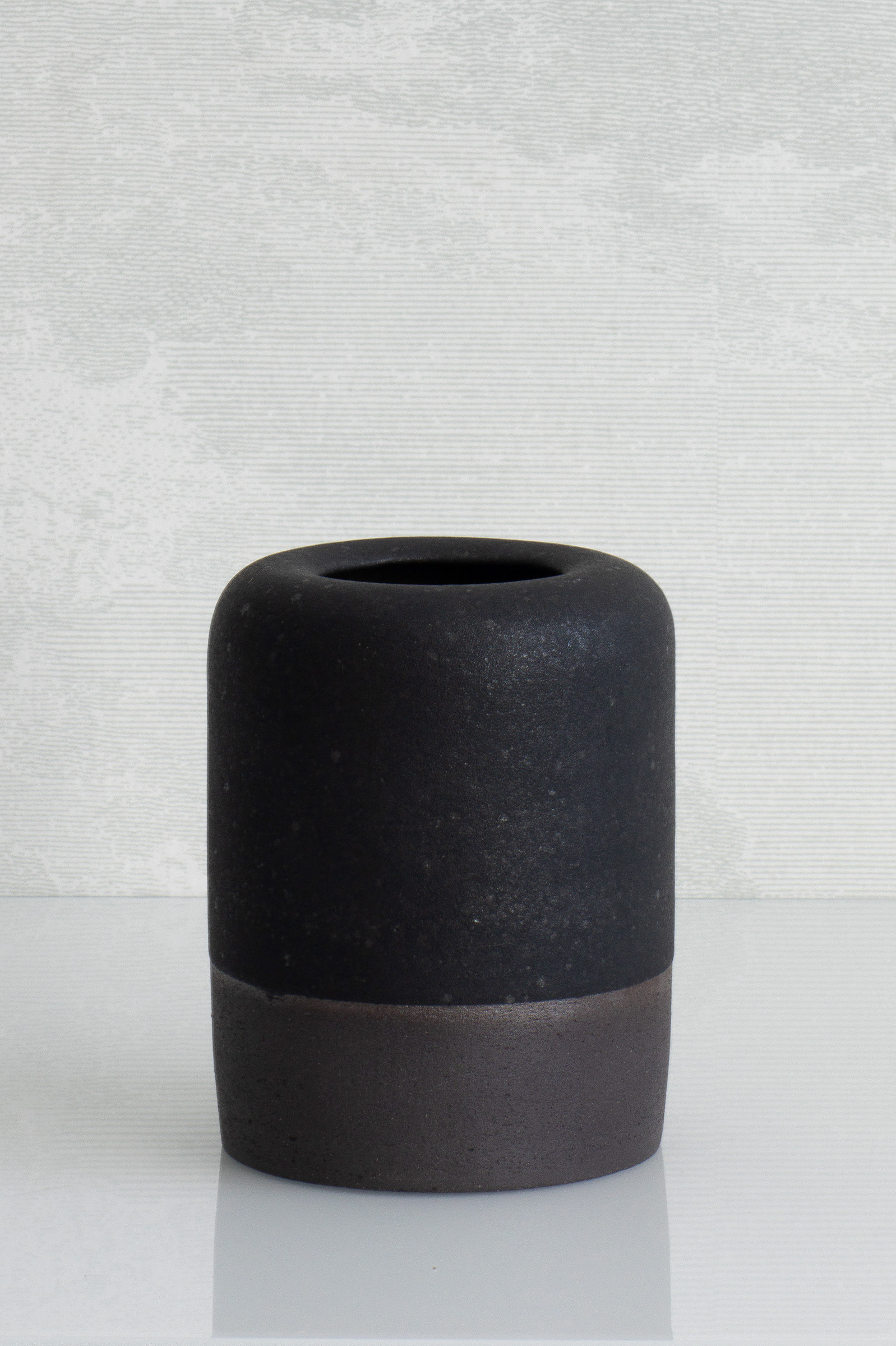
VALLDAL
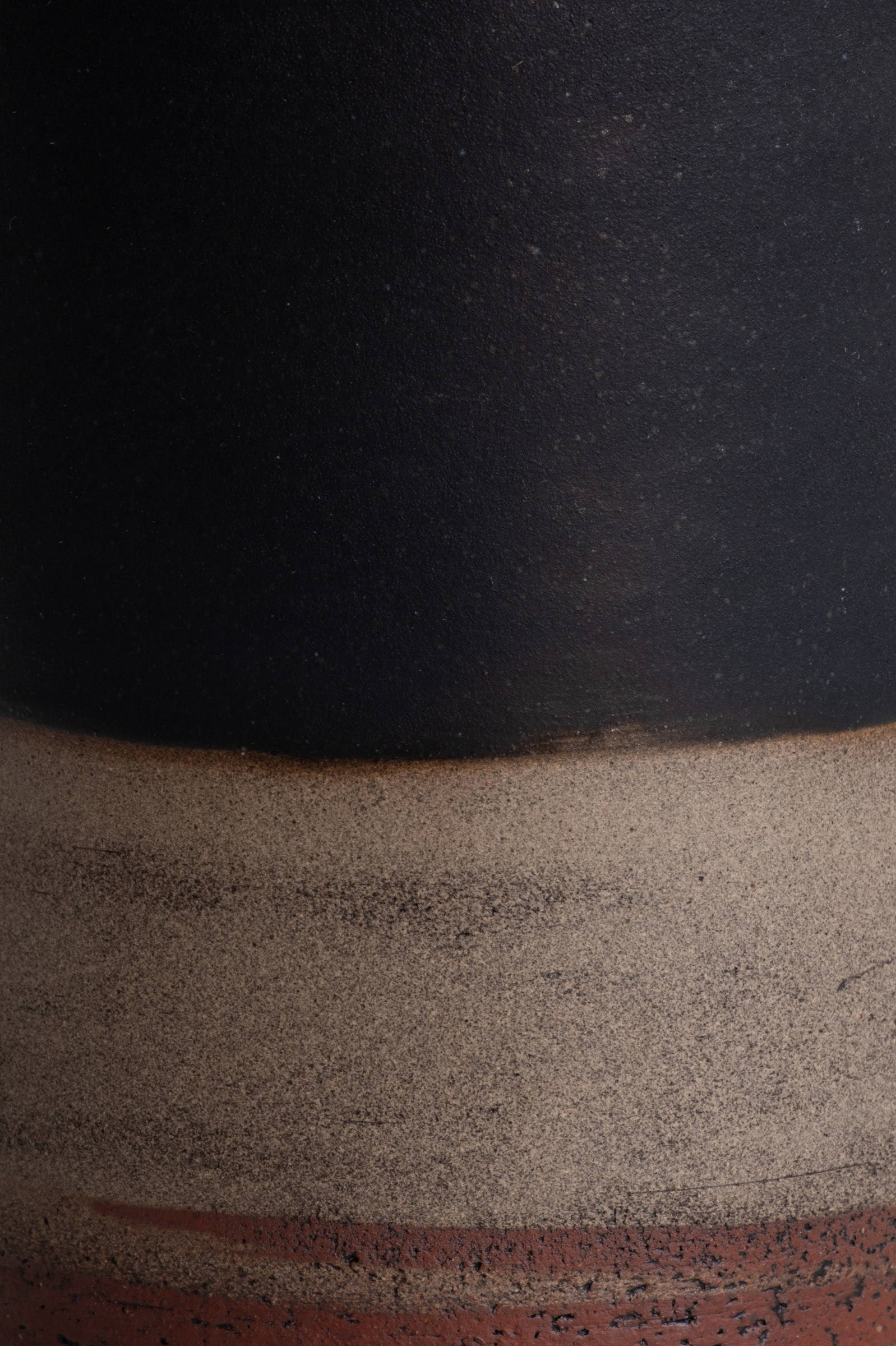
PERMIAN
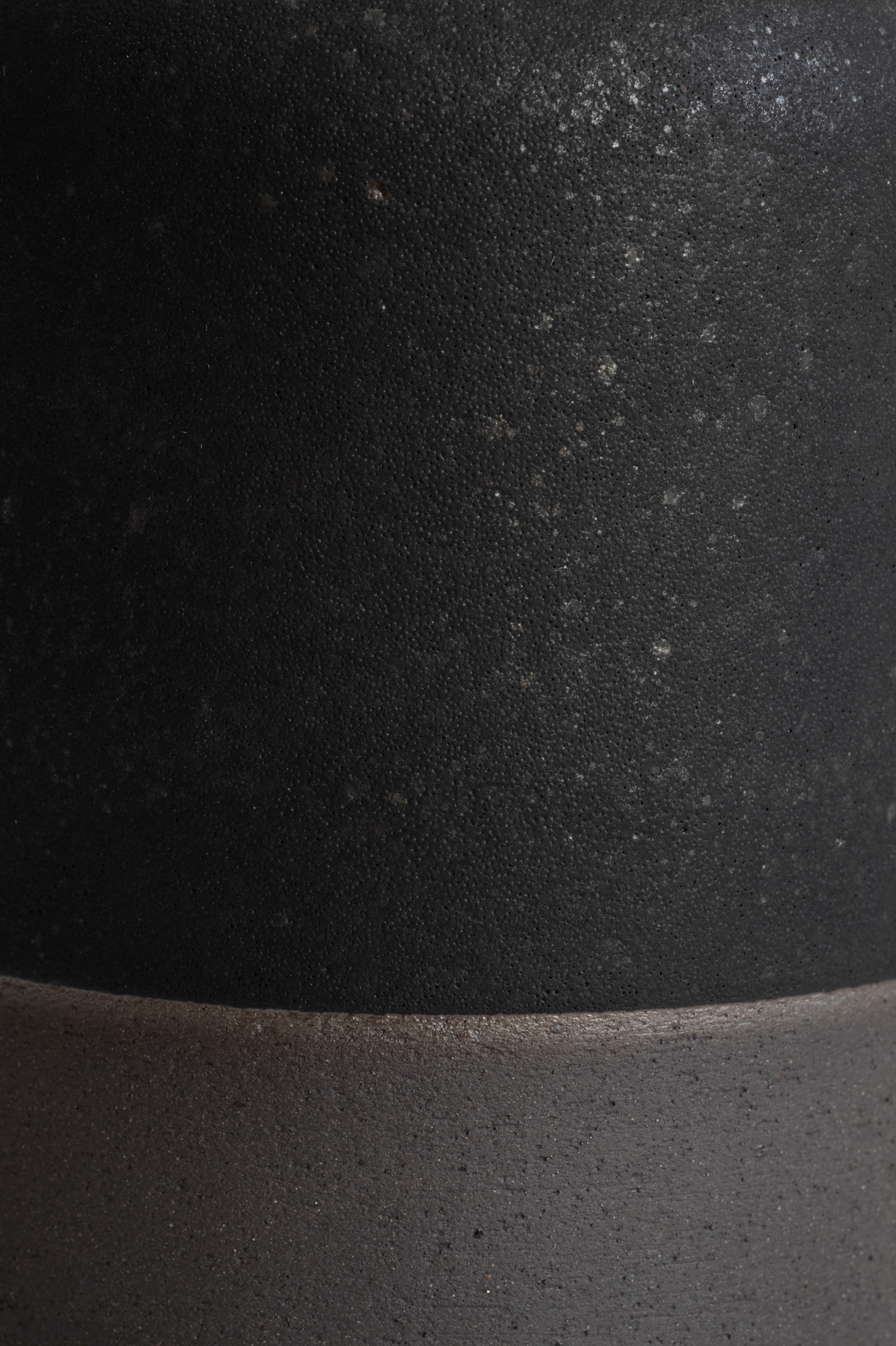
VALLDAL
LOESS
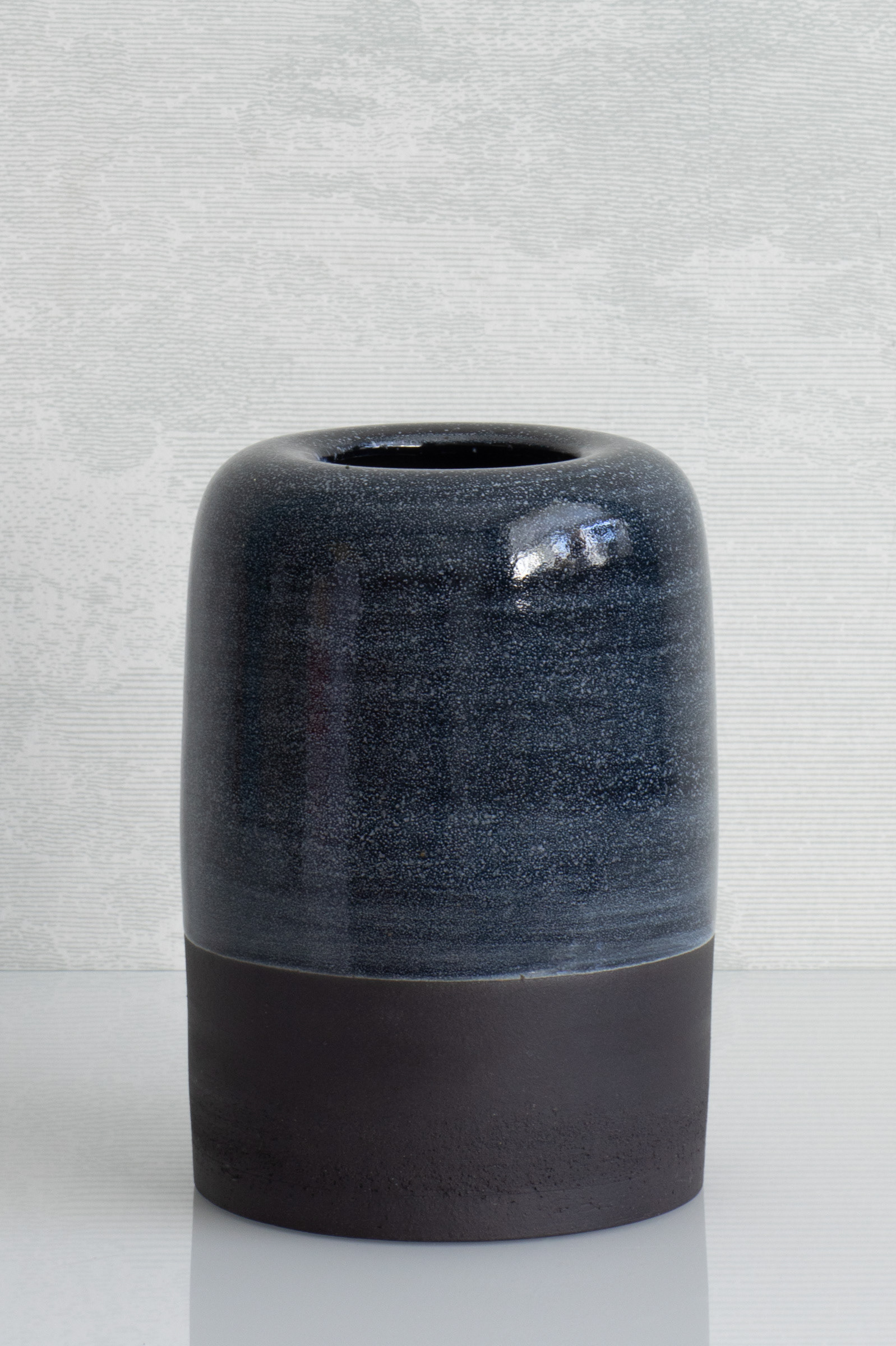
SKY
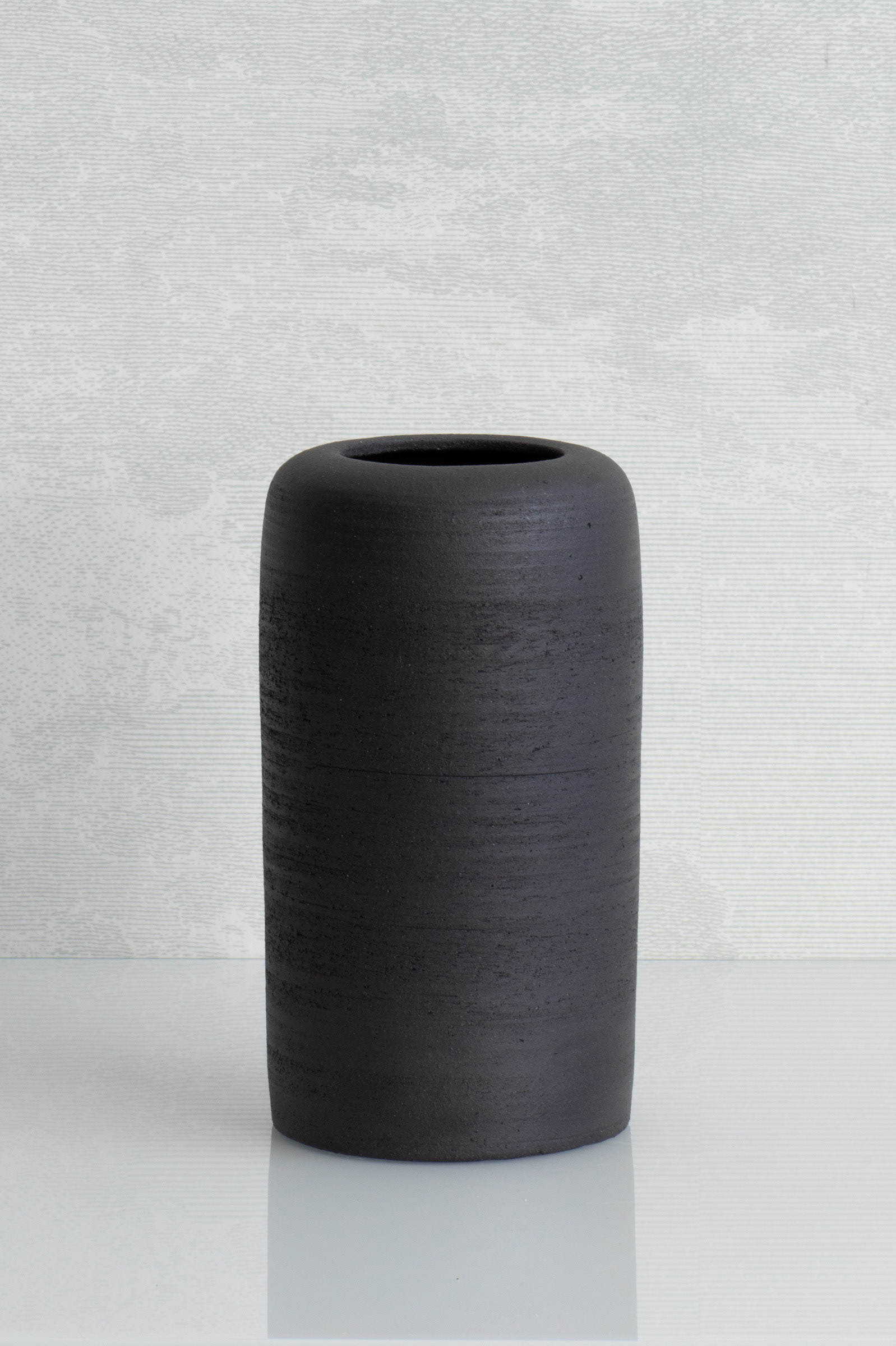
CORE
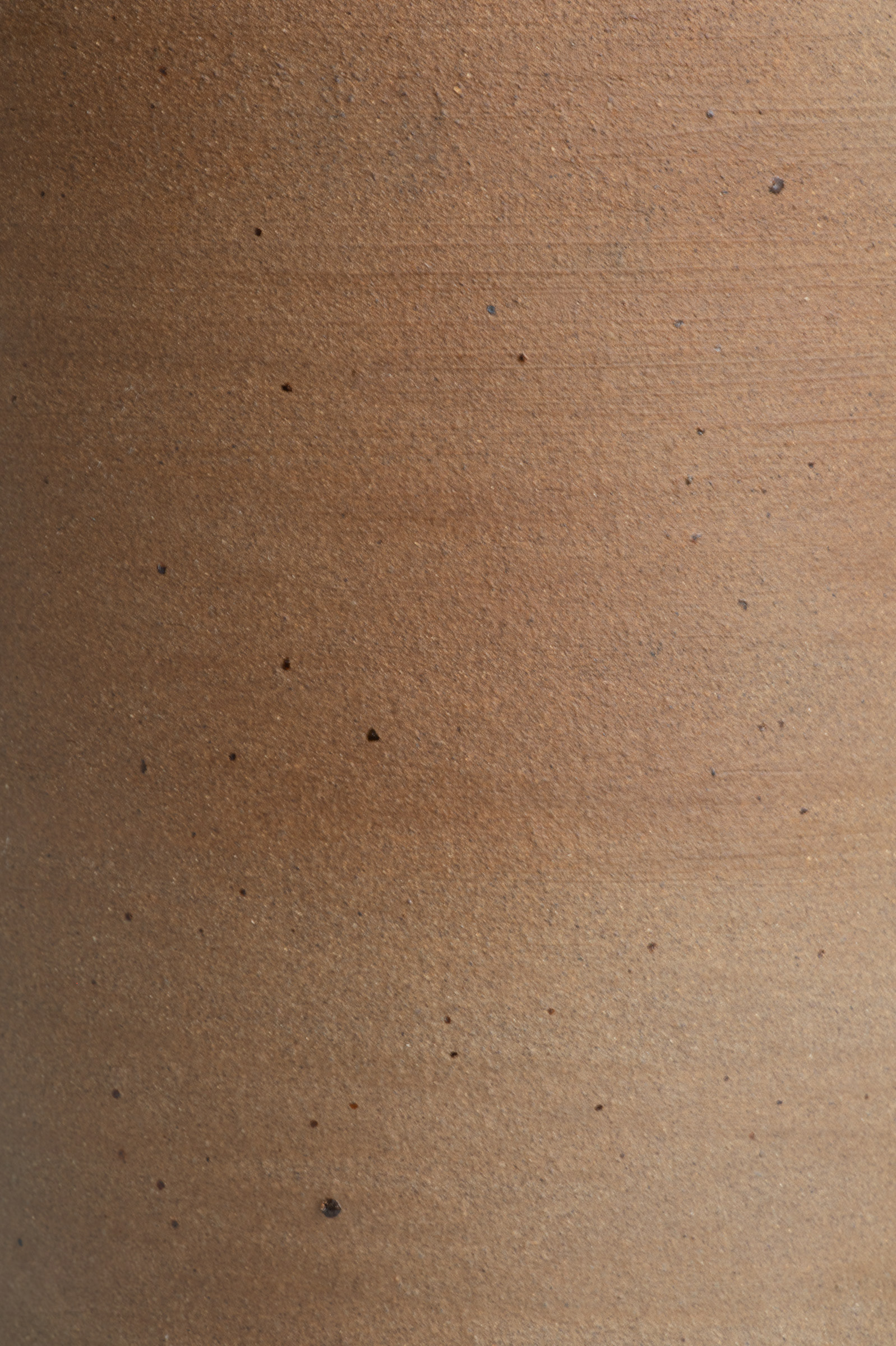
LOESS
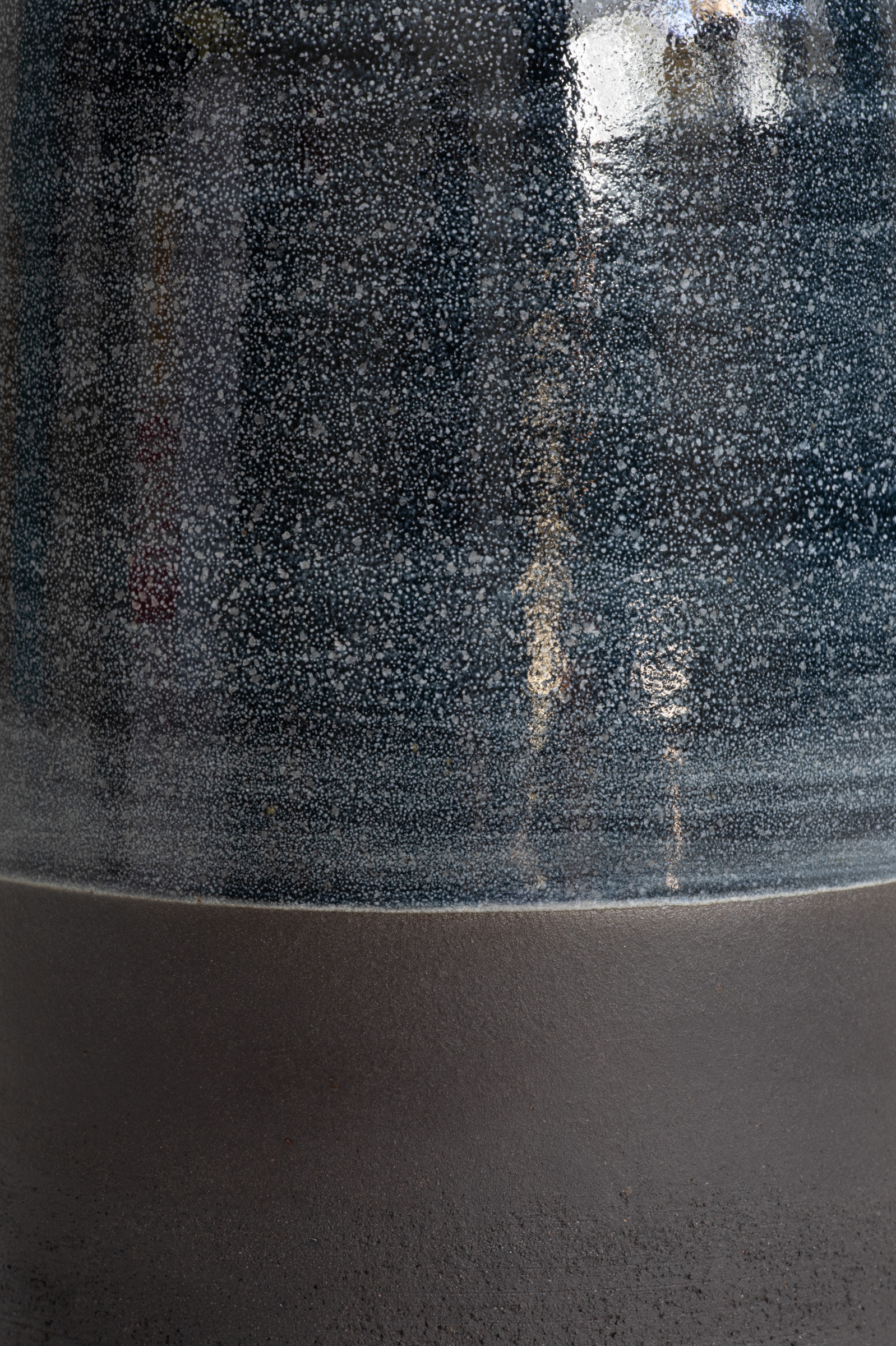
SKY
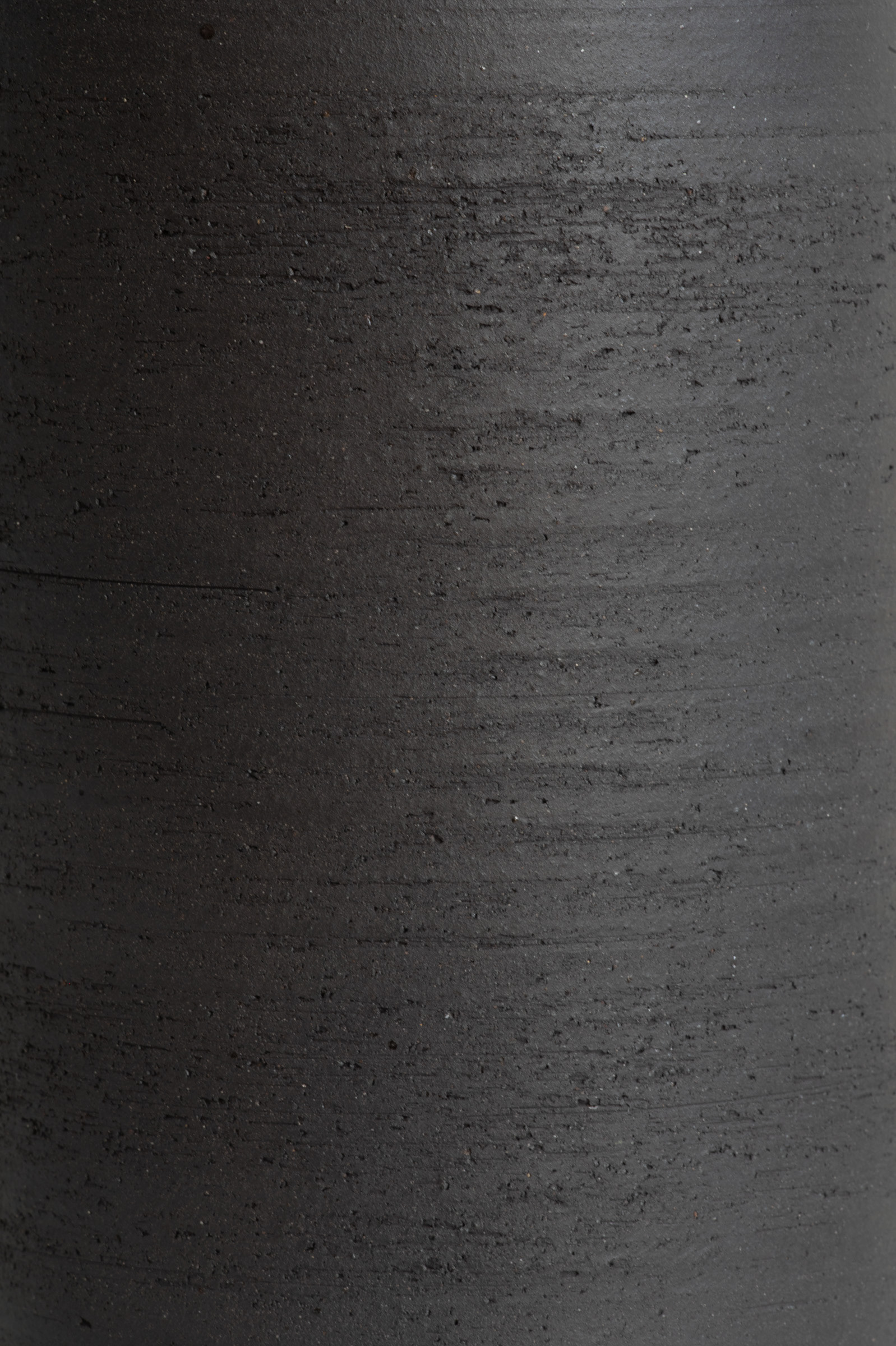
CORE
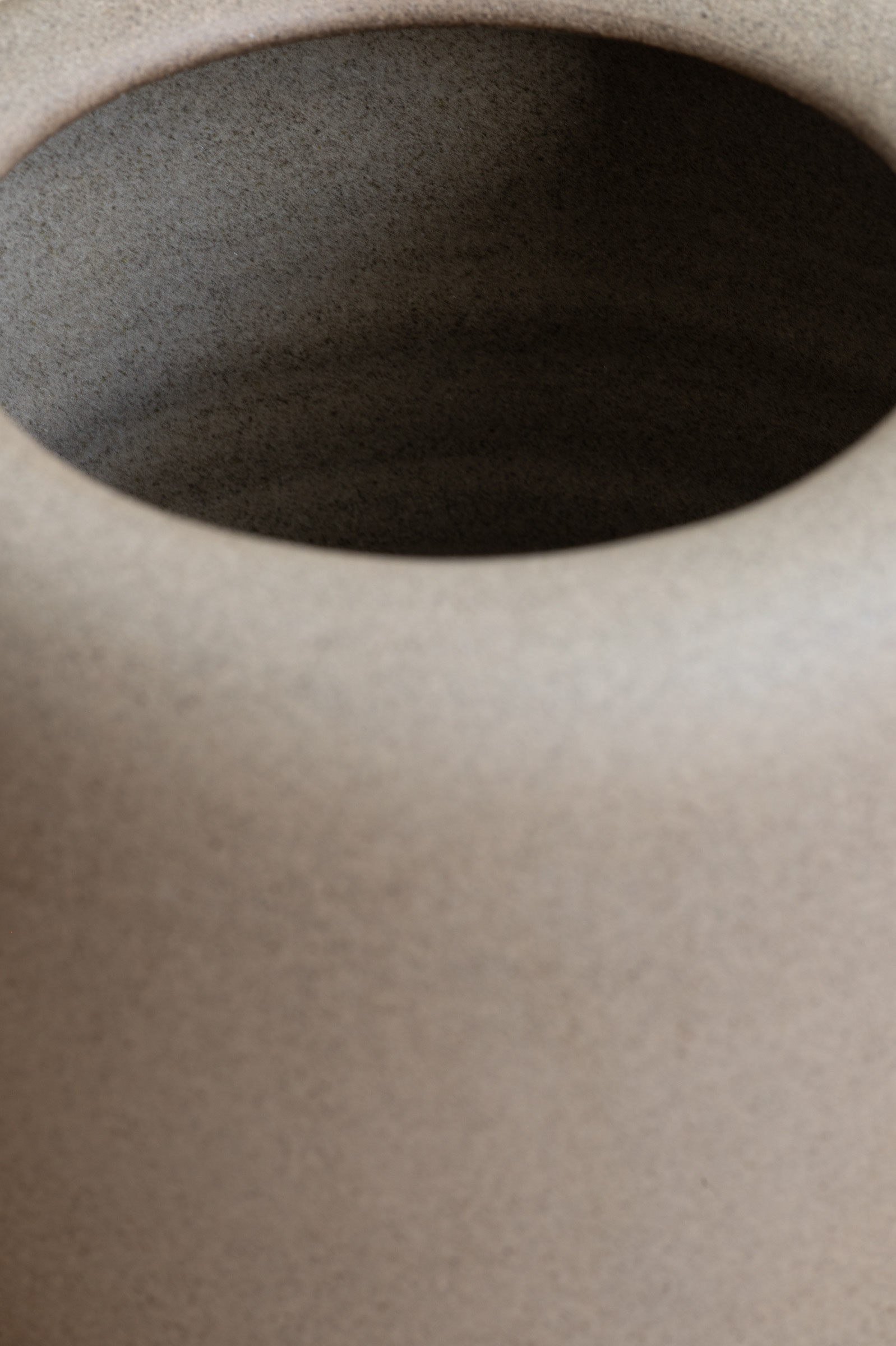
DOLOMITE
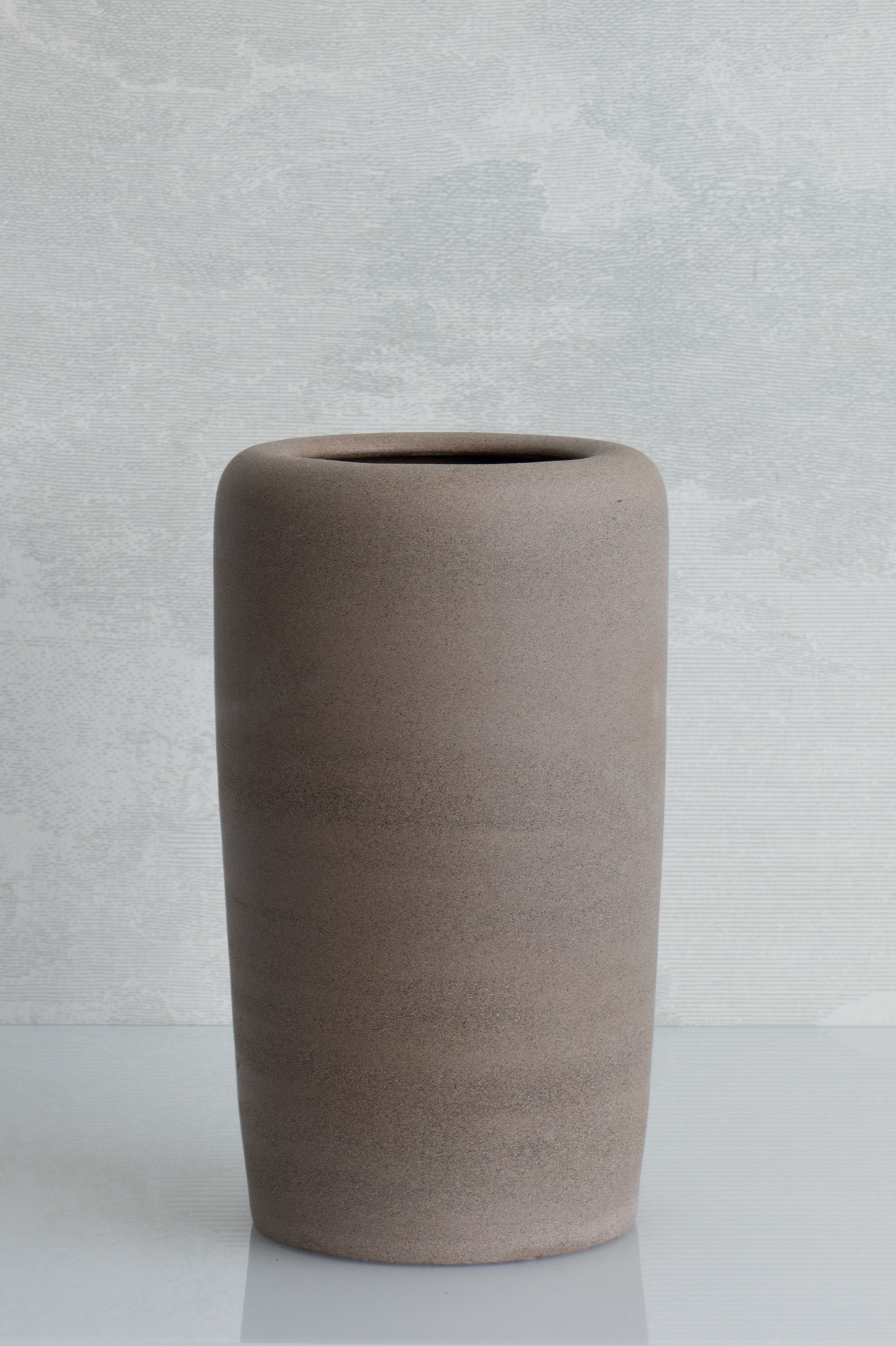
DOLOMITE
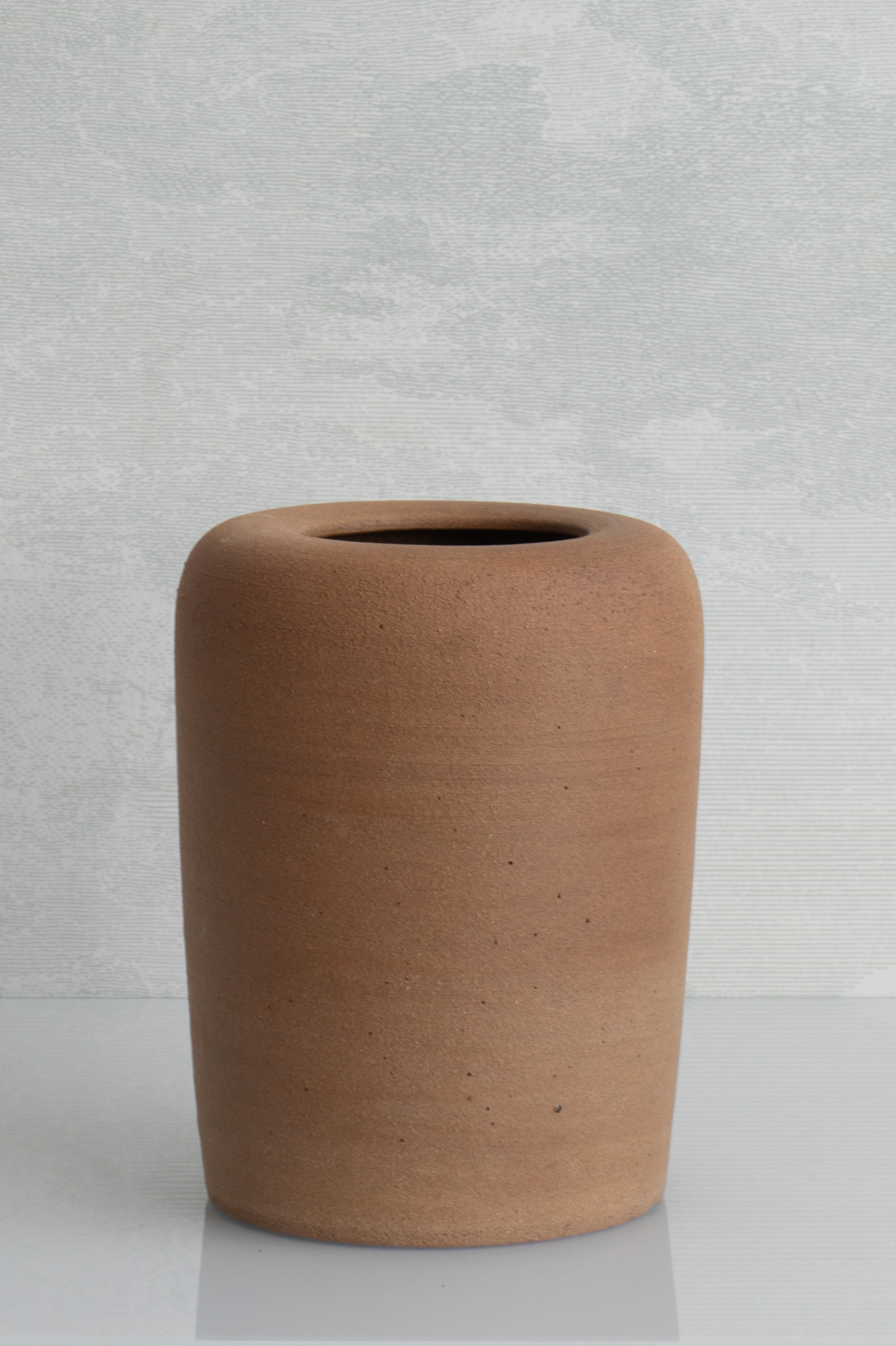
LOESS
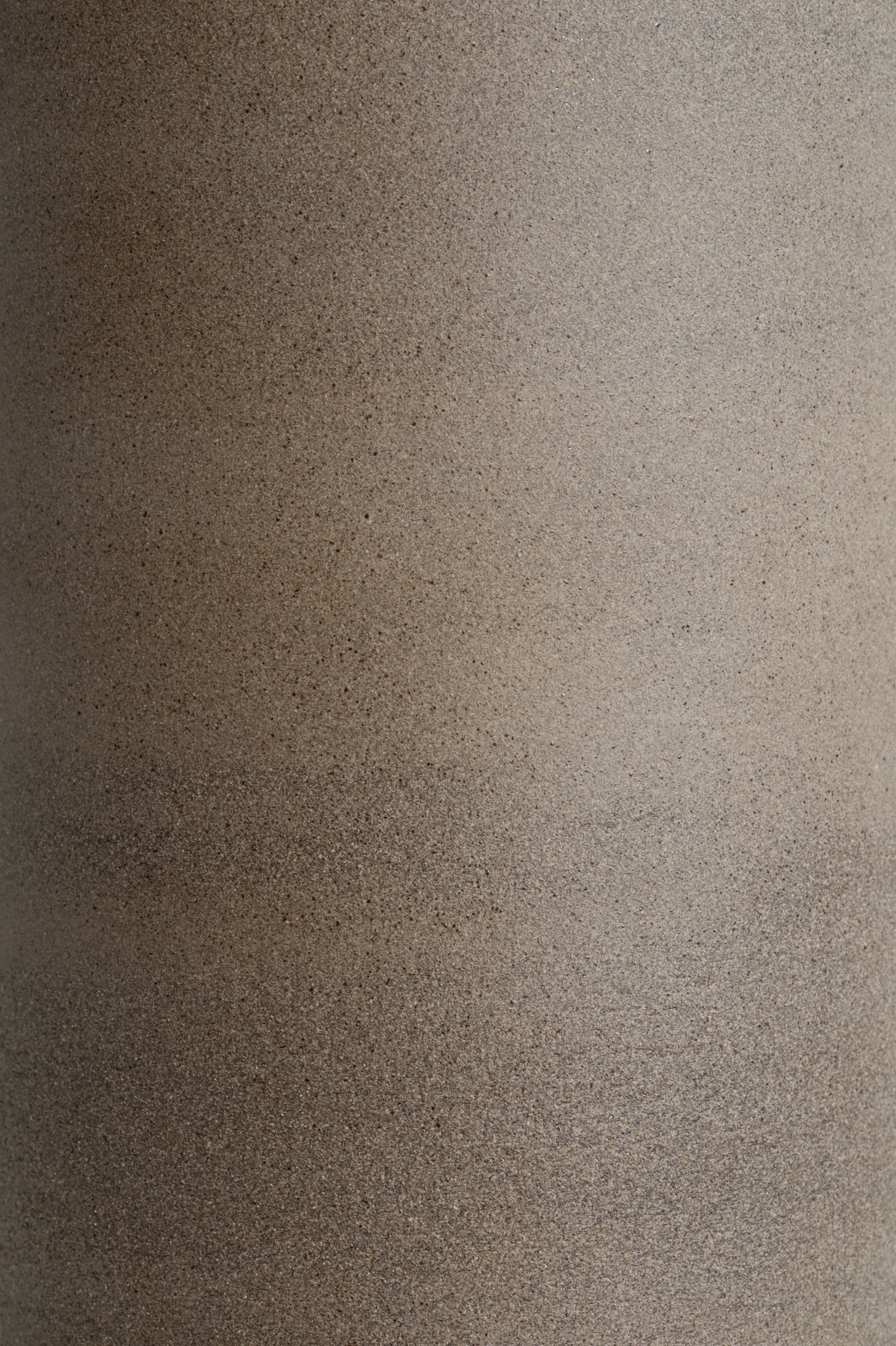
DOLOMITE
Wariacje
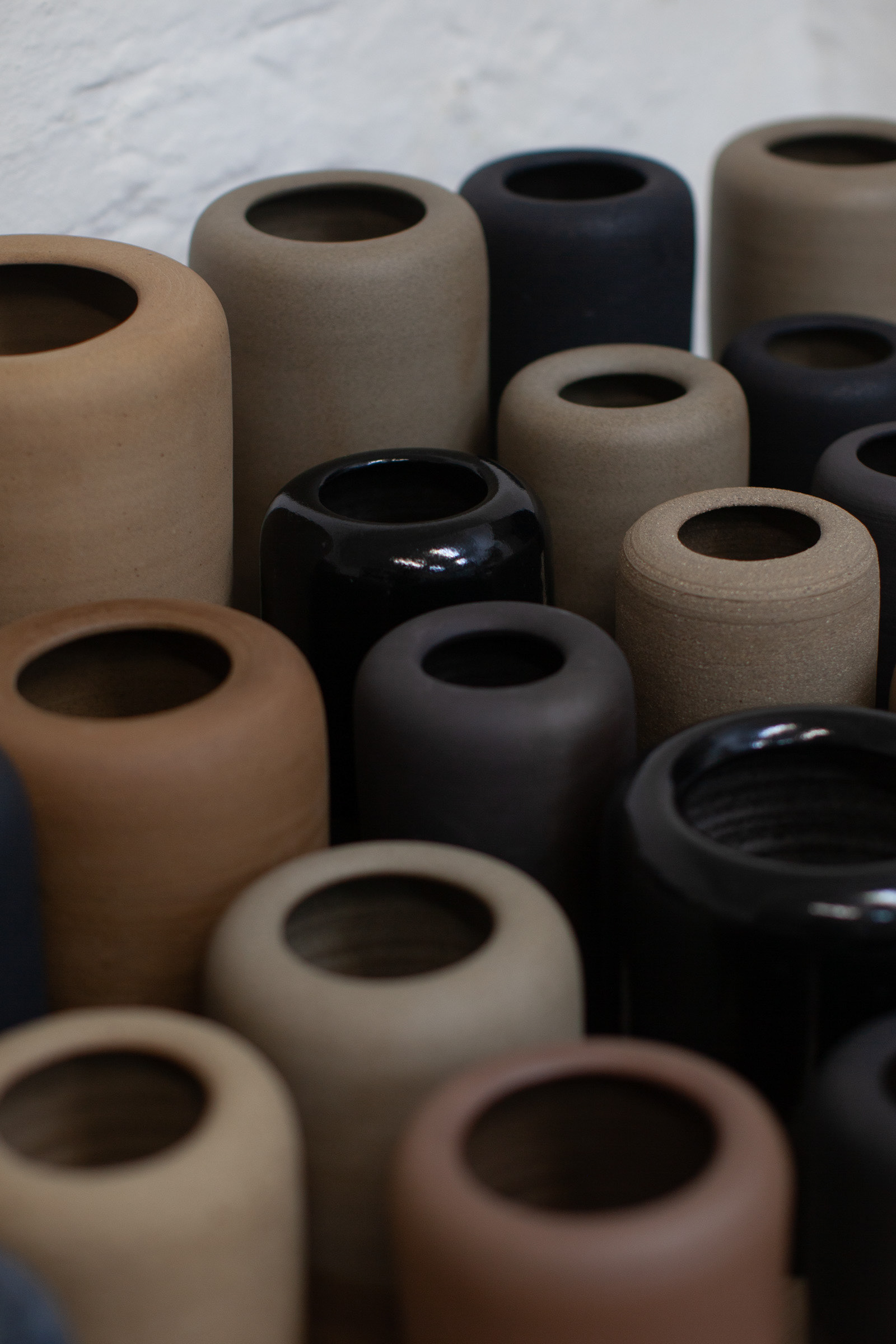
Formy THE EARTH są moim powrotem do dobrze mi znanych obrazów rdzeni wiertniczych. Poszczególne wariacje odwołują się do konkretnych skał, osadów, układów warstw, epok geologicznych i miejsc.
Nie próbuję ich dosłownie odtwarzać, lecz przekładam zaczerpnięte z nich barwy, ciężar i faktury na język ceramiki. Odsłaniam mniej widoczną stronę Ziemi, a jednocześnie przypominam o śladach, jakie pozostawia w niej człowiek.
THE EARTH: VALLDAL | STUDY
VALLDAL
VALLDAL
VALLDAL
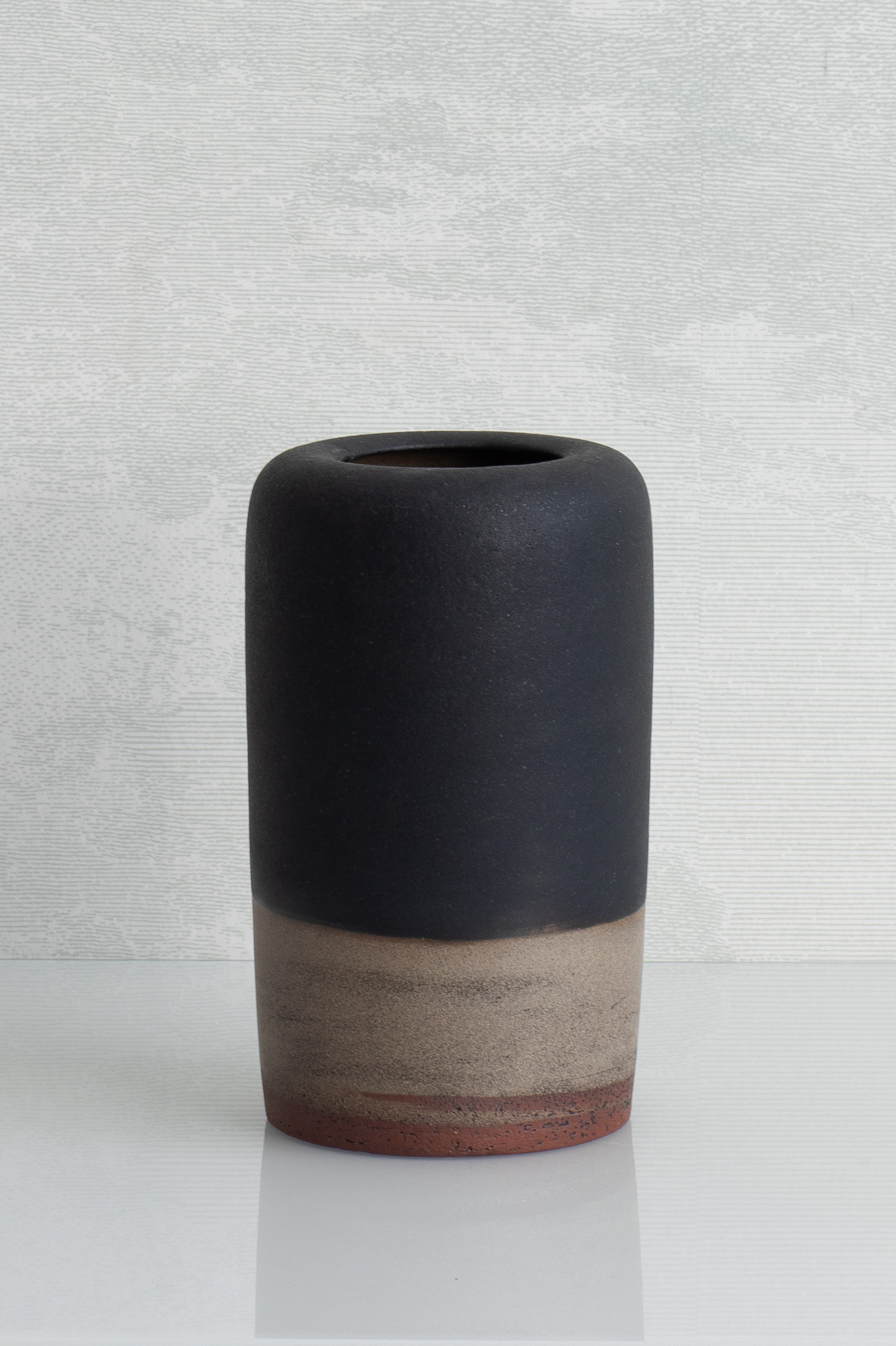
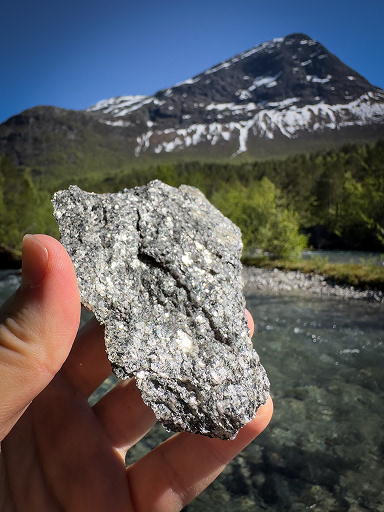
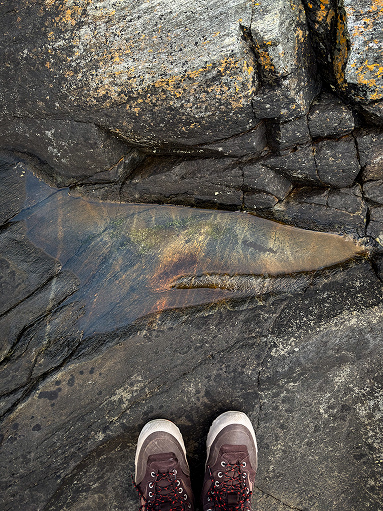
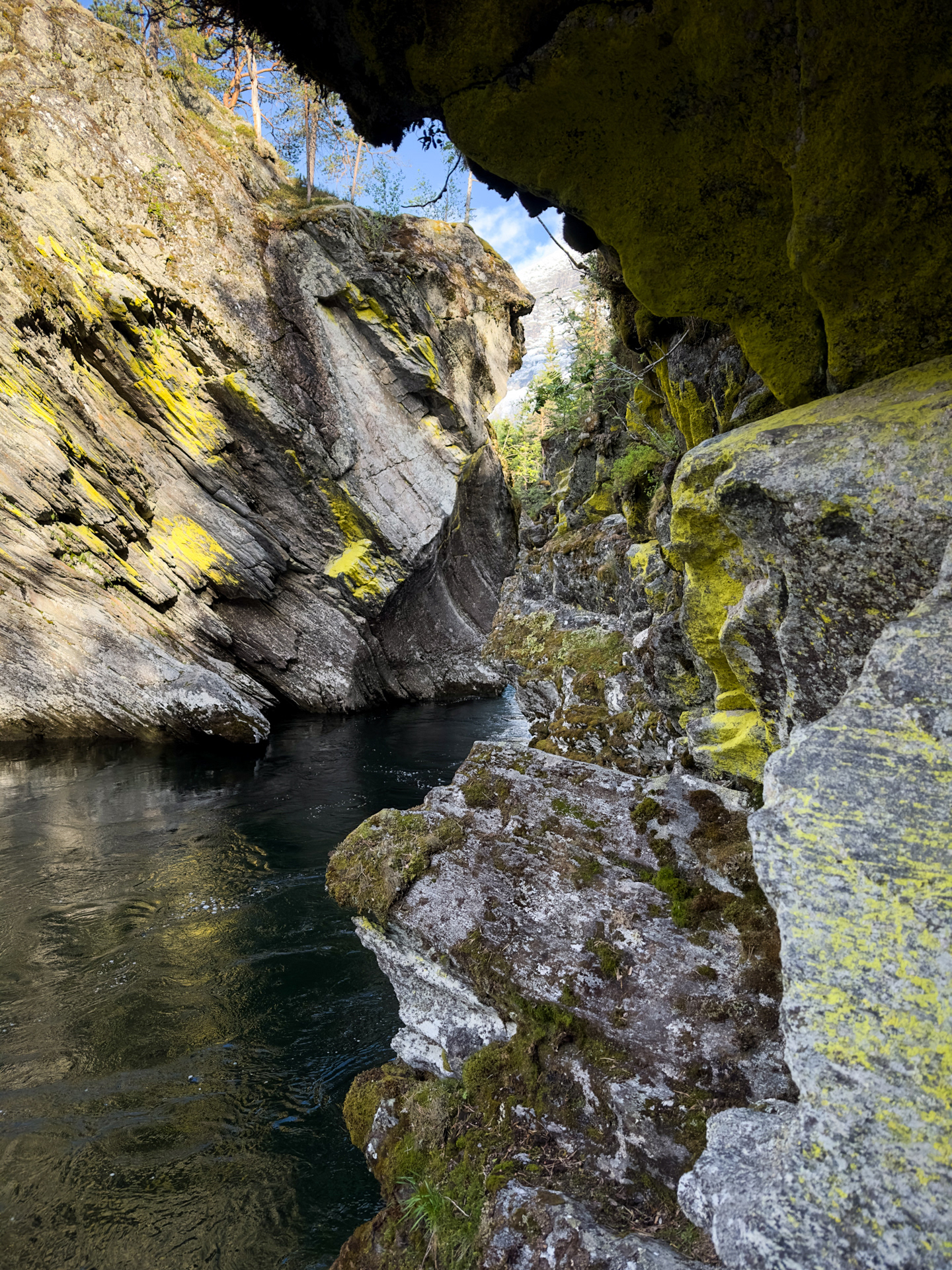
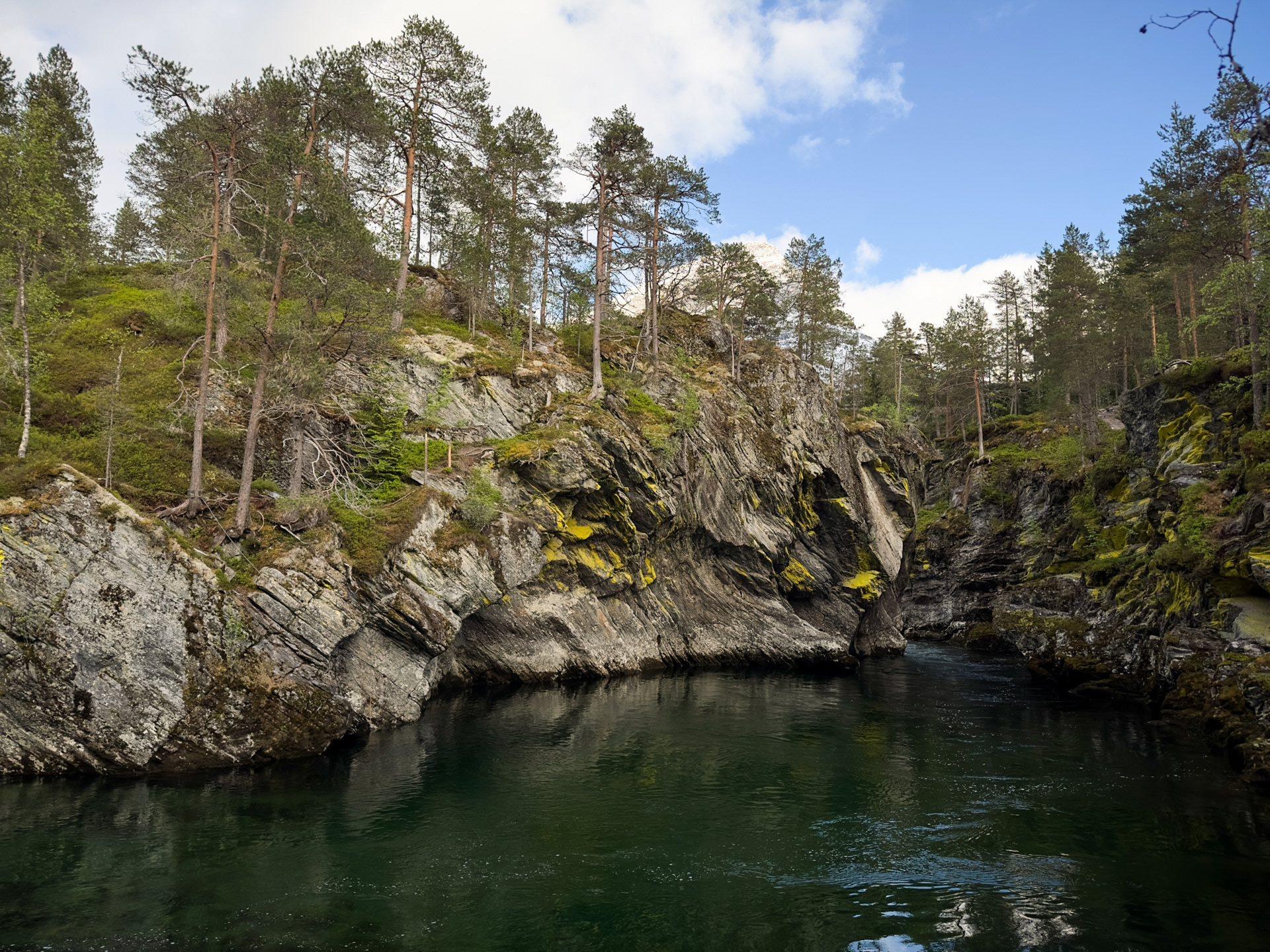
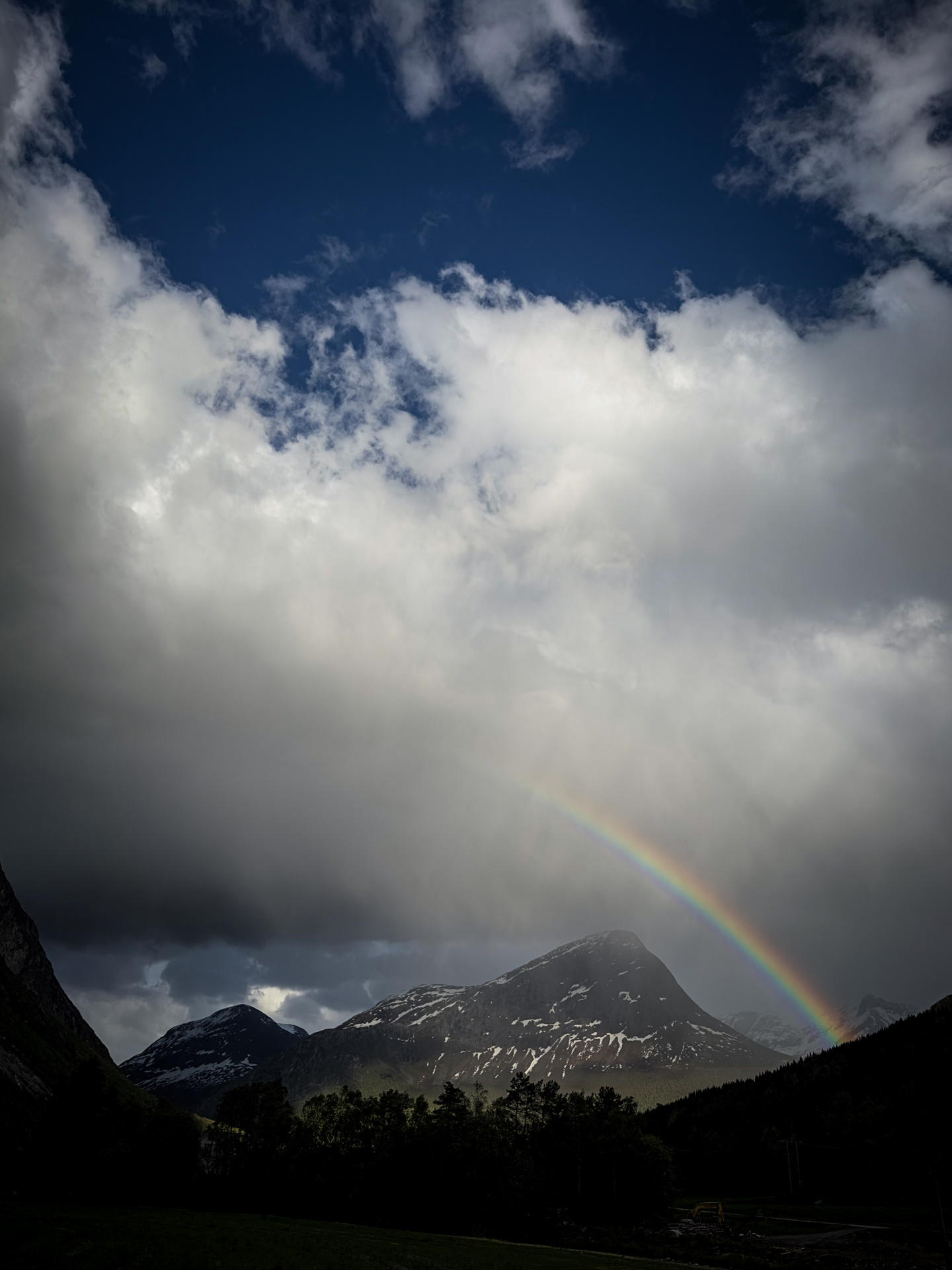
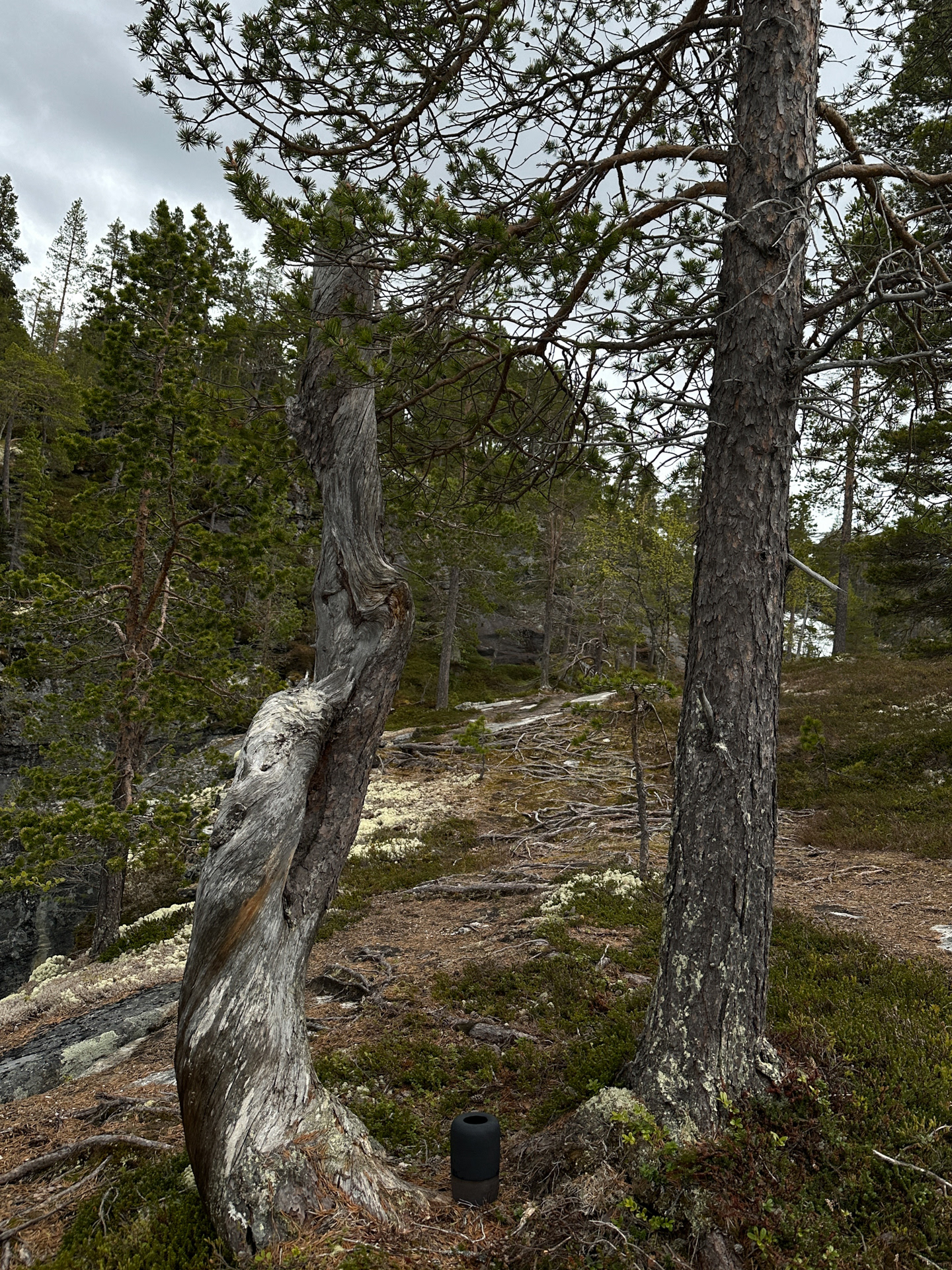
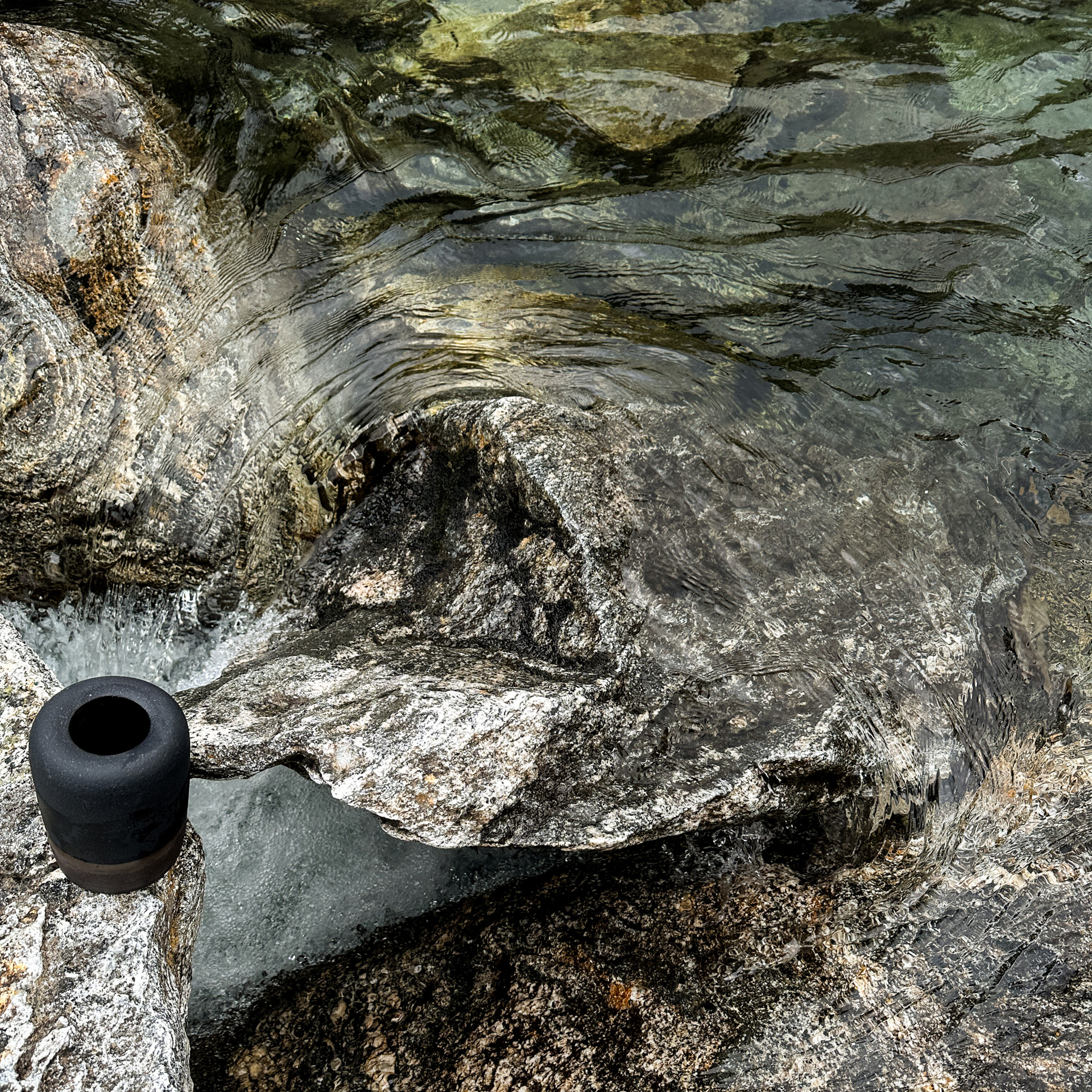
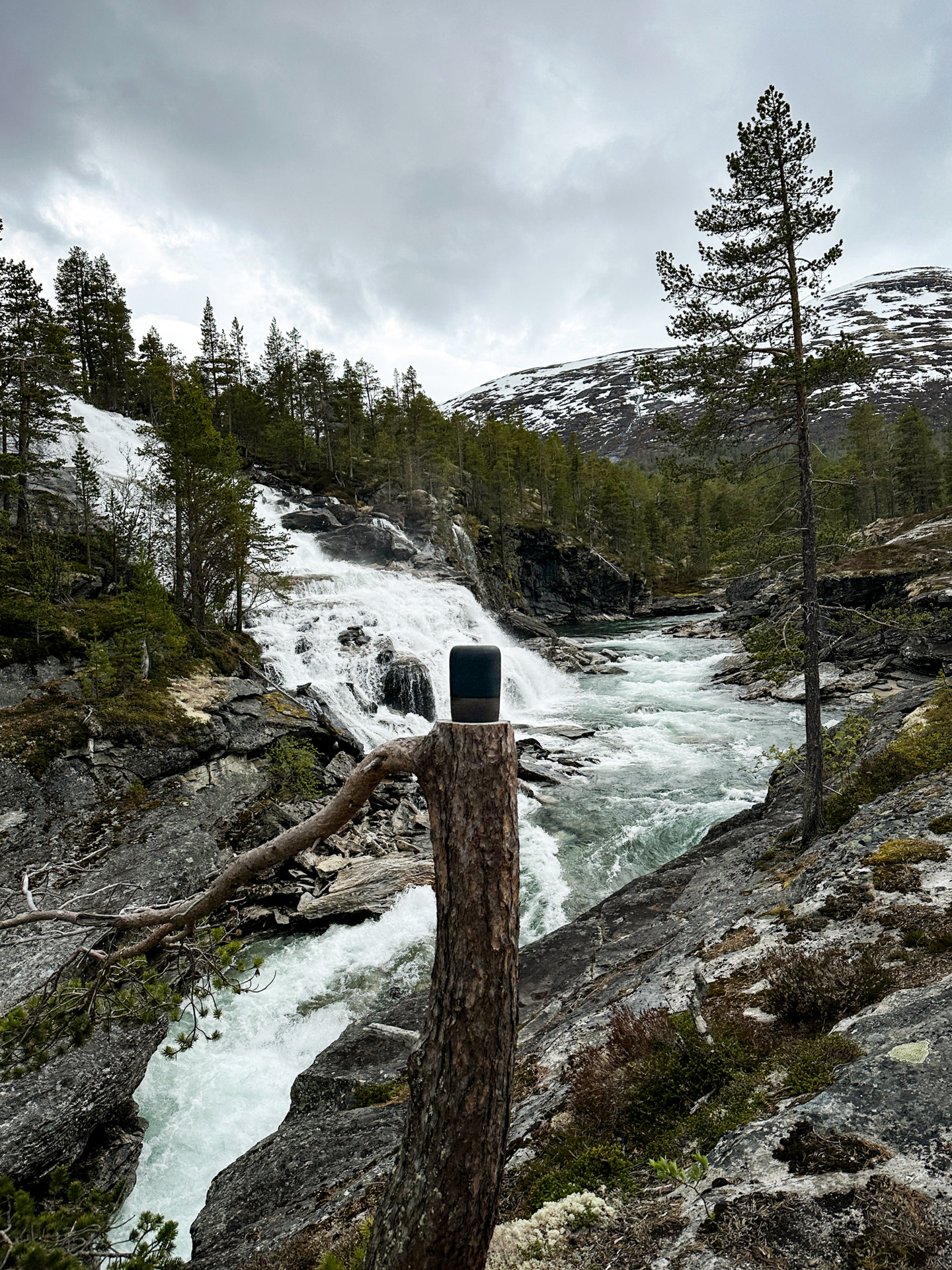
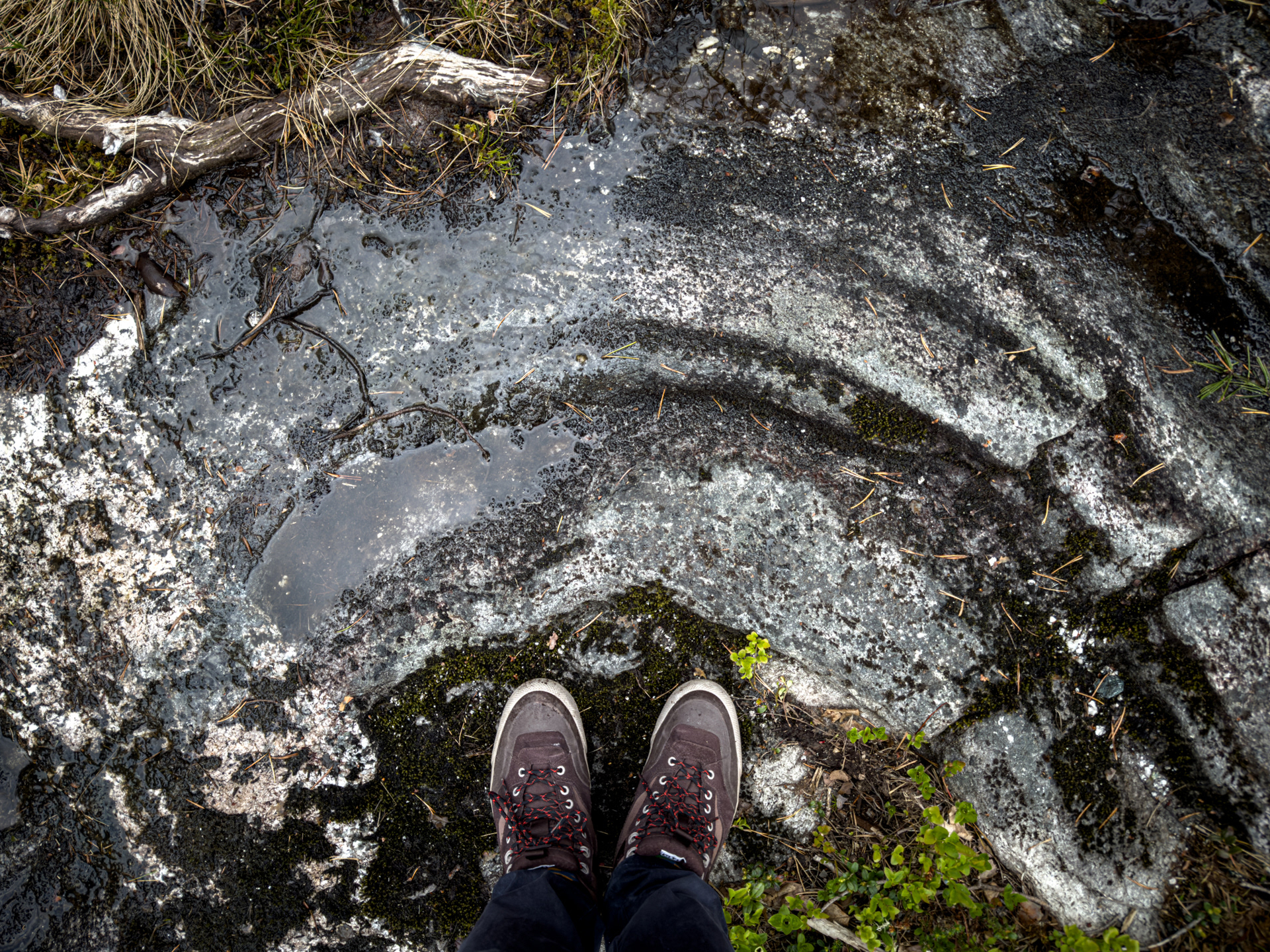
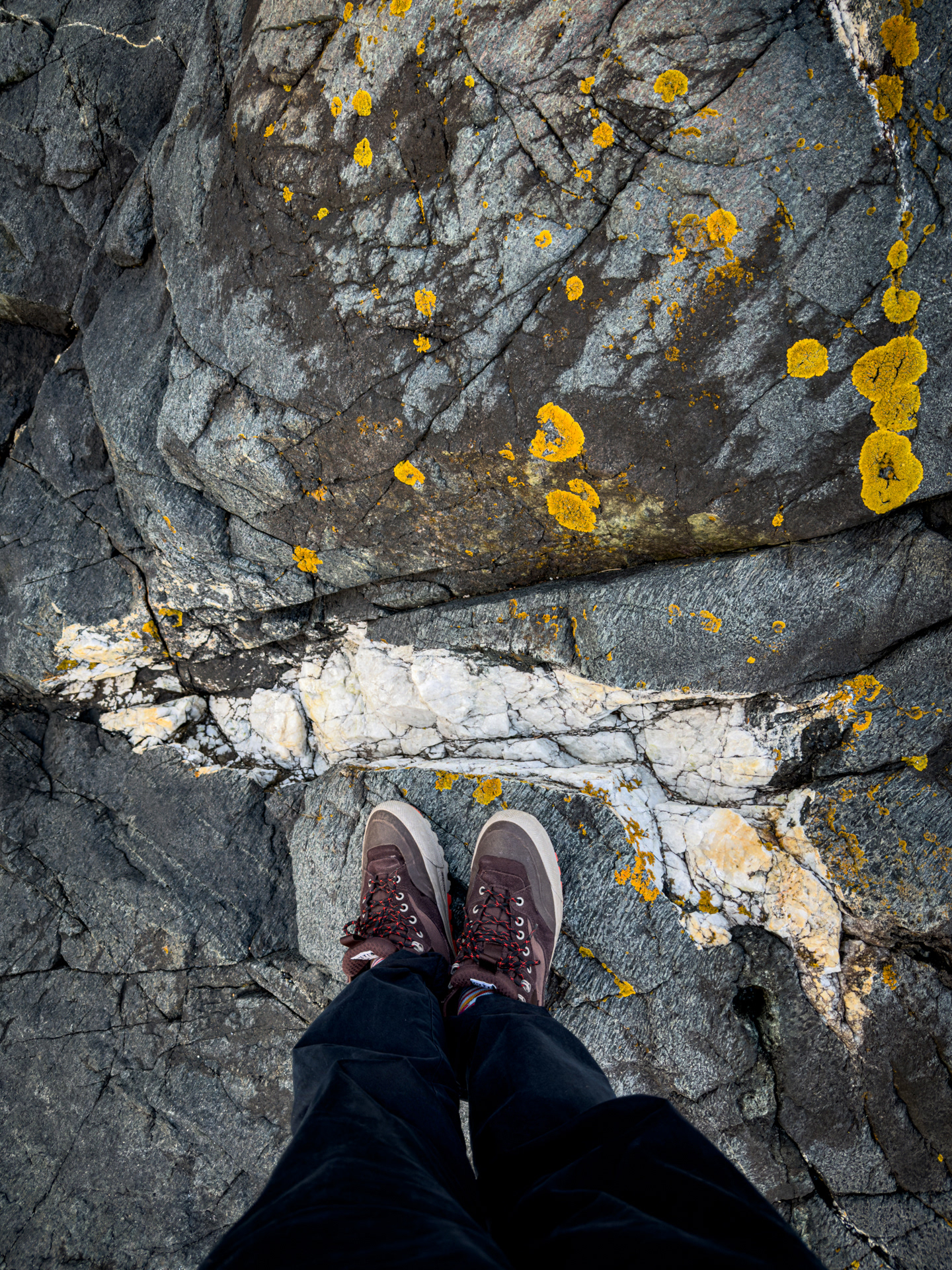
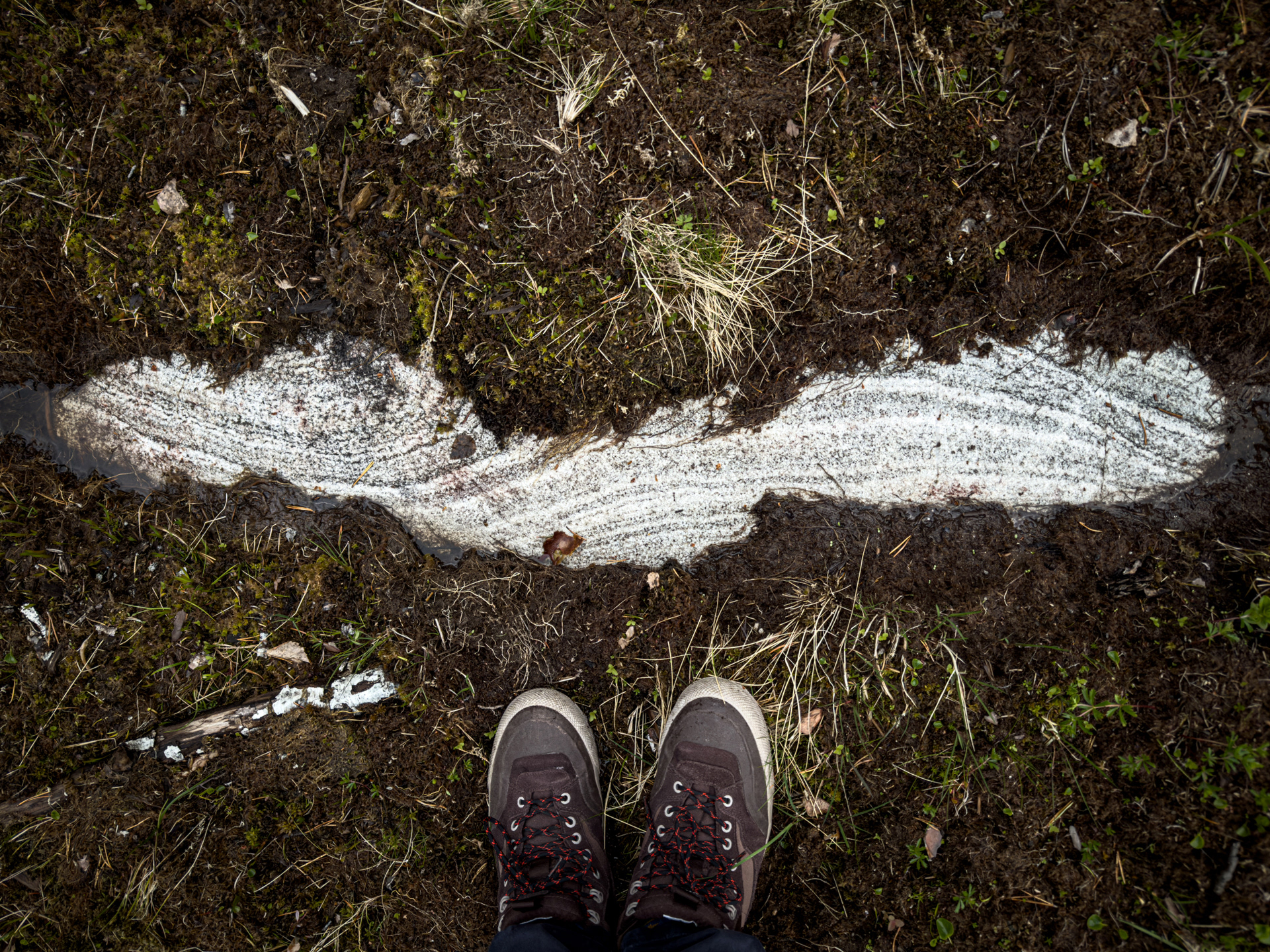
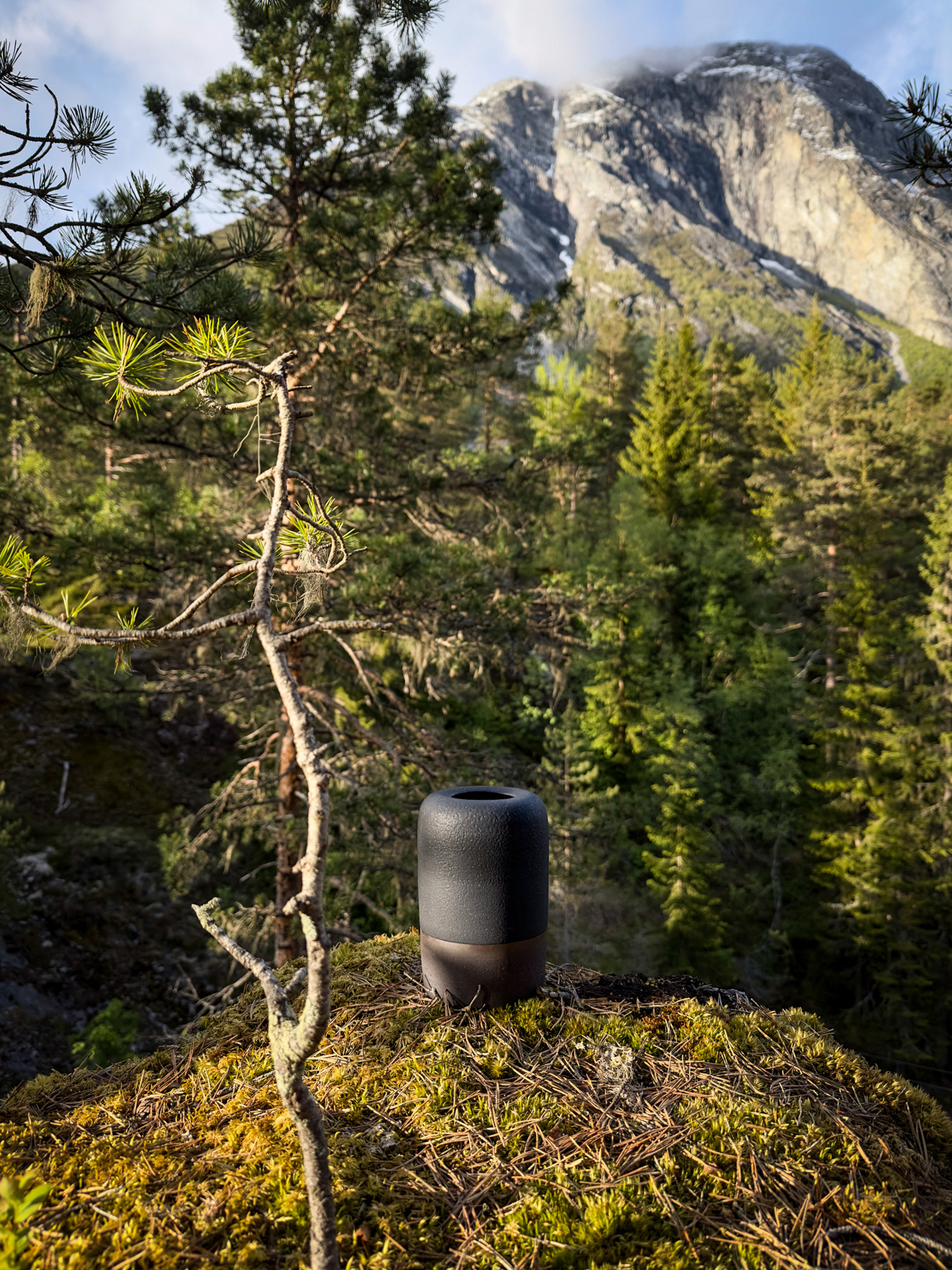
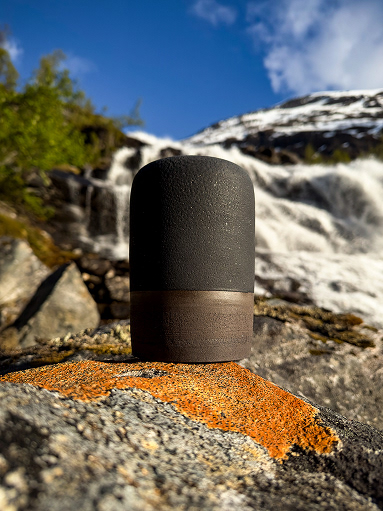
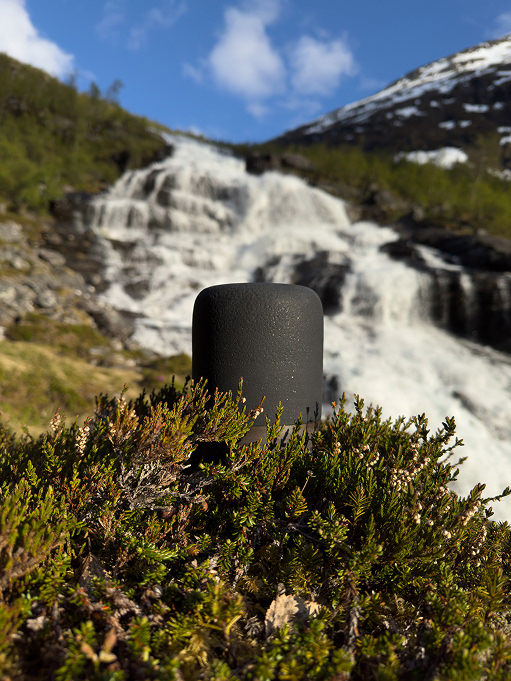
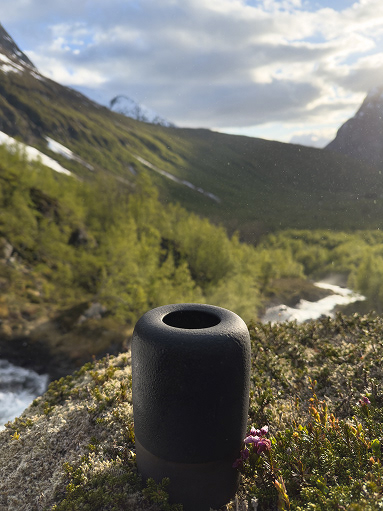
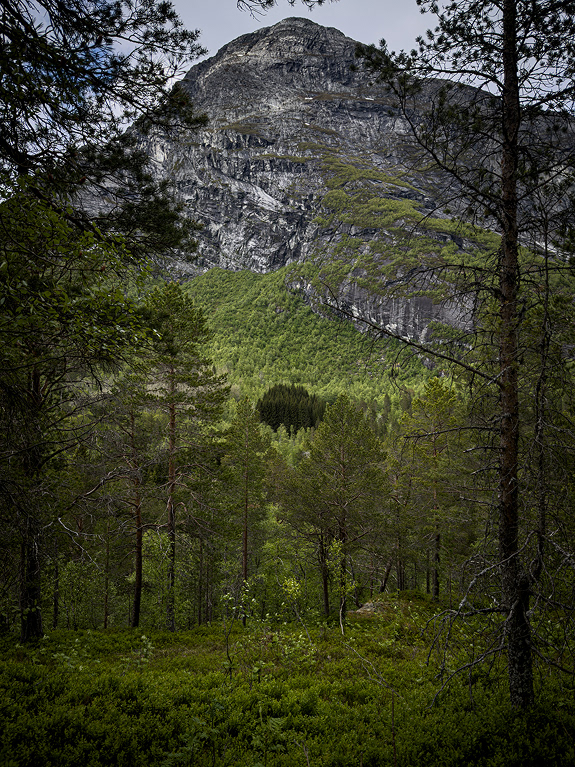
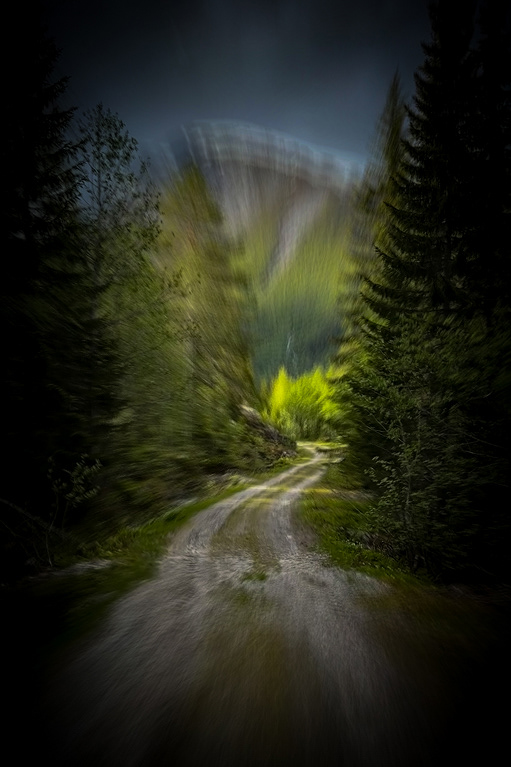
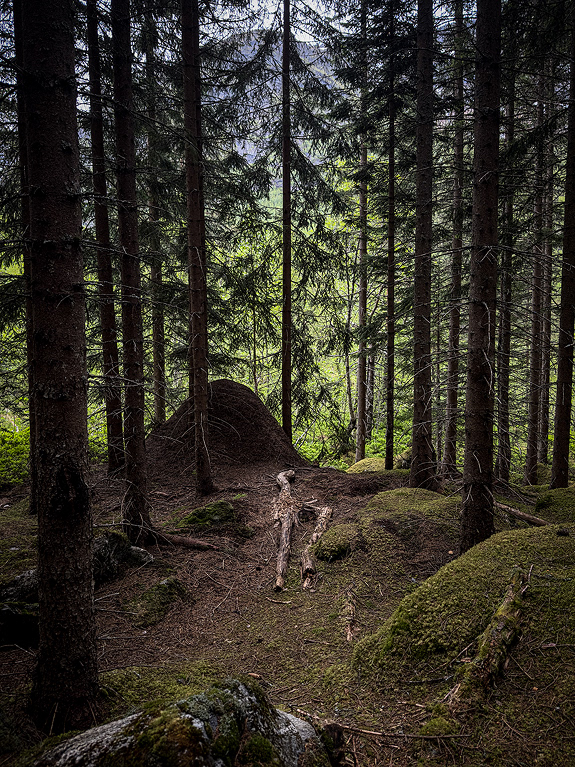
VALLDAL emerged from the memory of a place and from observing the rocks of the Valldal valley in Norway. The dark, matt surfaces of the forms refer to the region’s gneiss, granodioritic and tonalitic formations.
I do not reproduce the rock literally. I am interested in translating its weight, colour, light and structure into the surface of a ceramic form.
VALLDAL
VALLDAL
VALLDAL
VALLDAL
VALLDAL
VALLDAL
VALLDAL
VALLDAL
VALLDAL
THE EARTH: VALLDAL | STUDIUM
VALLDAL
VALLDAL
VALLDAL
VALLDAL powstało z pamięci miejsca i obserwacji skał doliny Valldal w Norwegii. Ciemne, matowe powierzchnie form odnoszą się do tamtejszych gnejsów oraz formacji granodiorytowych i tonalitowych.
Nie odtwarzam skały dosłownie. Interesuje mnie przełożenie jej ciężaru, barwy, światła i struktury na powierzchnię ceramicznej formy.
VALLDAL
VALLDAL
VALLDAL
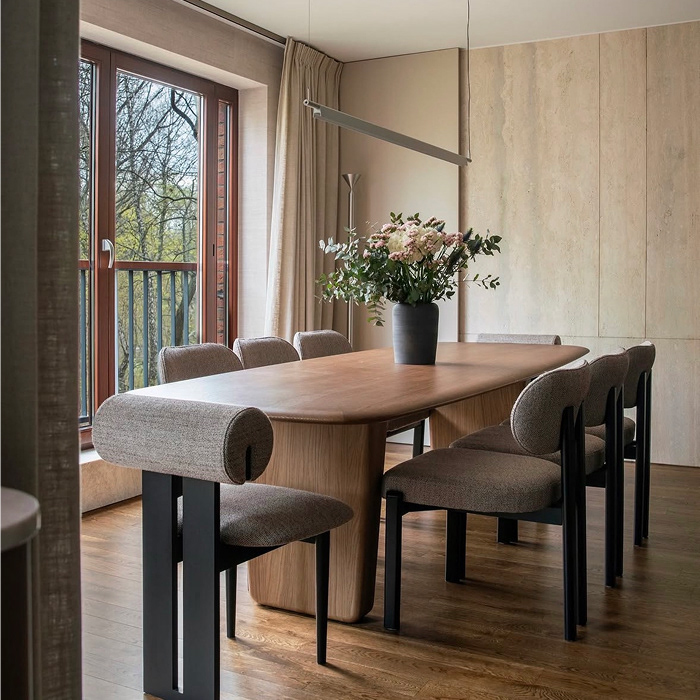
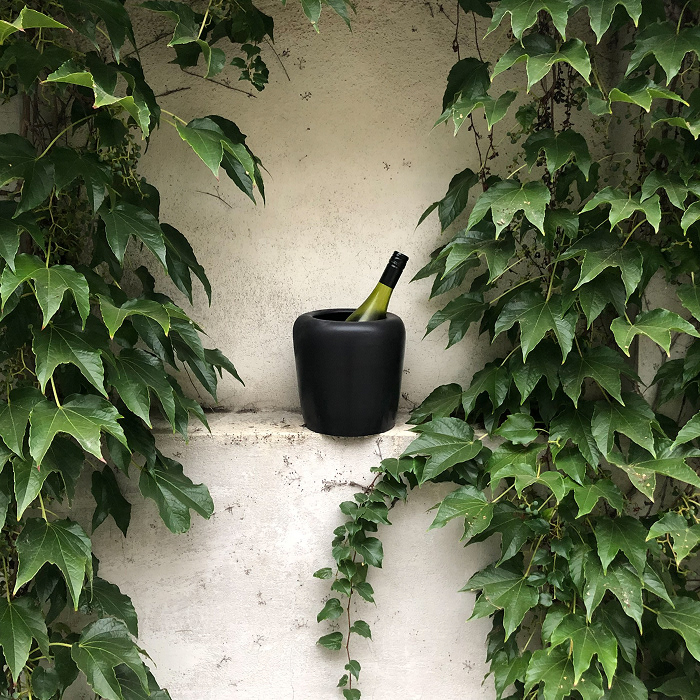
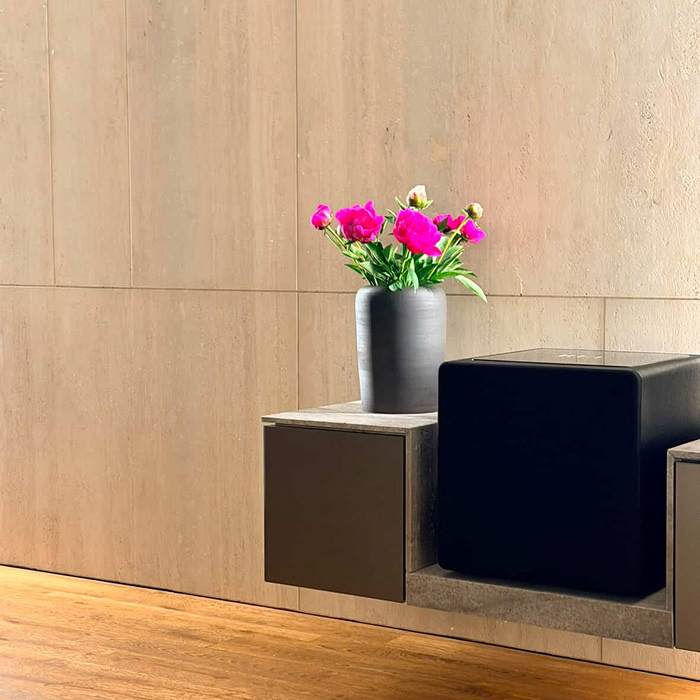
The functionality of the forms is part of this story
VALLDAL
SKY
SKY
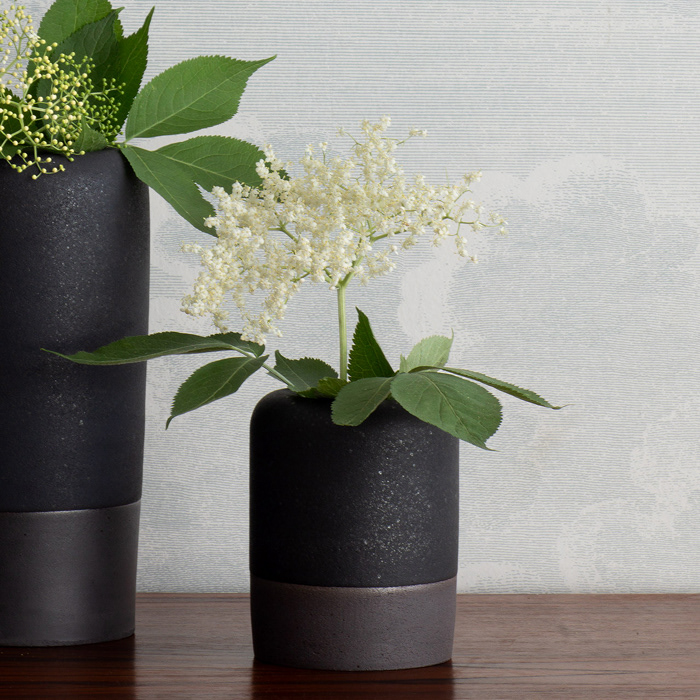
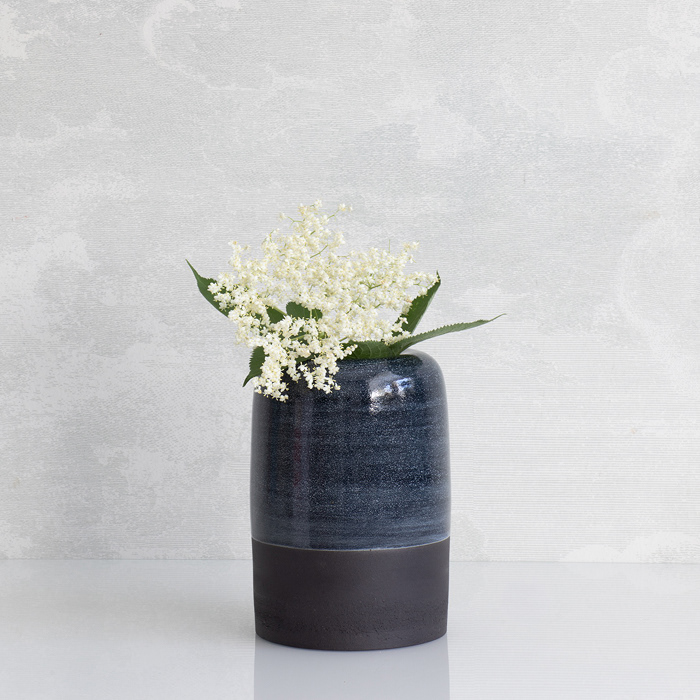
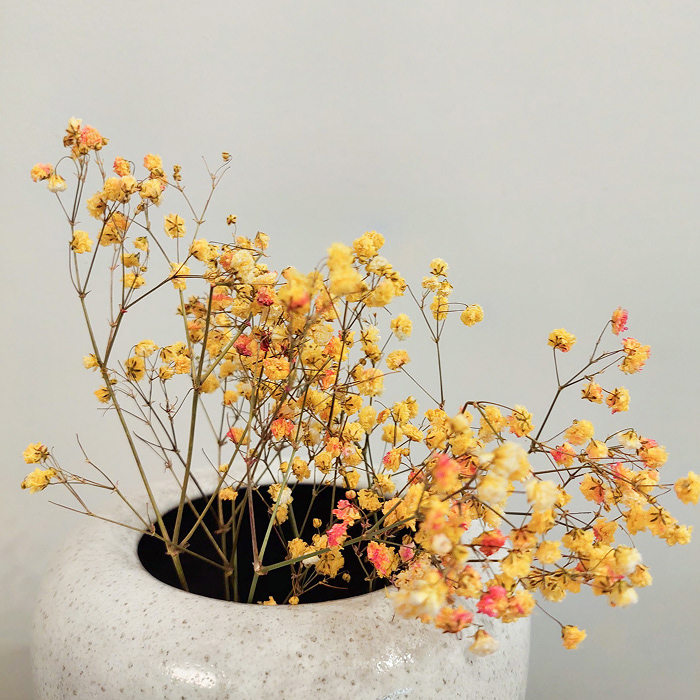
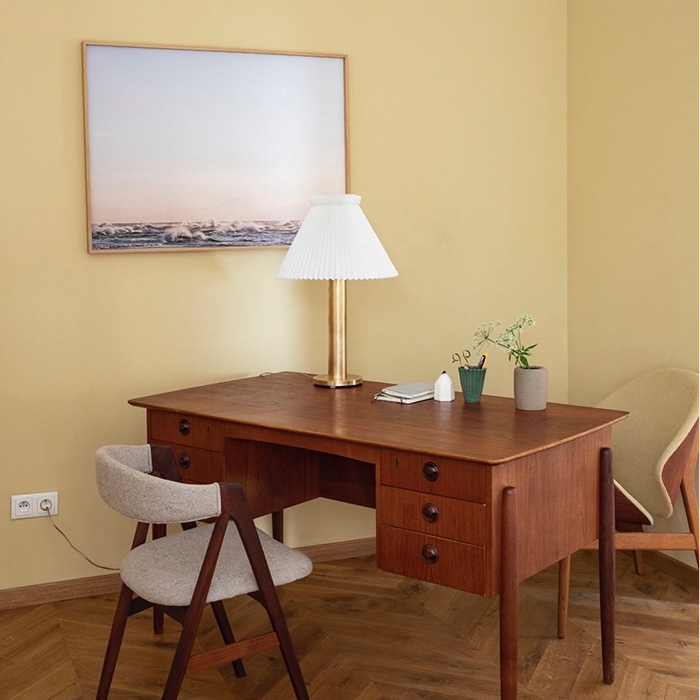
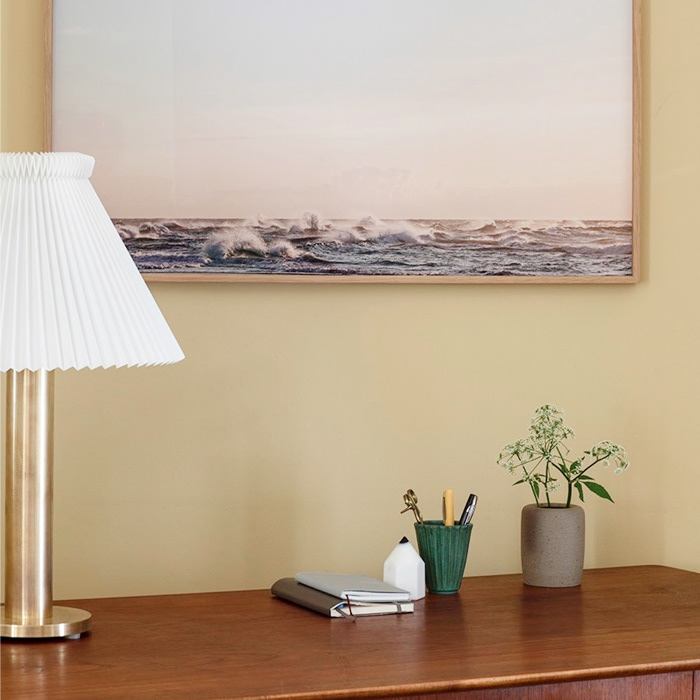
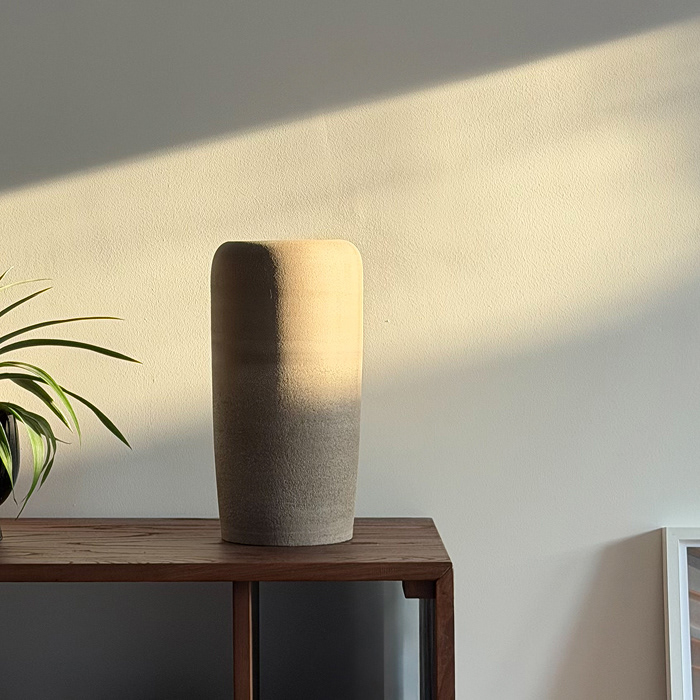
I want our encounter with the forms to extend beyond looking and become part of everyday life. A form can stand on its own and interact with light. It can also hold flowers, grasses or branches, allowing its void to be temporarily filled with something that grows from the Earth.
Through this gesture, the void ceases to be solely a trace of extraction. It can receive life again, allowing it to grow and blossom.
The narrow opening then becomes a tool for composing with the form. It guides the arrangement of the plants and allows a new relationship with the form to emerge each time.
LOESS
LOESS
DOLOMITE
Użytkowość form jest częścią tej opowieści
Chcę, aby kontakt z nimi nie kończył się na oglądaniu, lecz wchodził do codzienności. Forma może stać sama i pracować ze światłem. Może również przyjąć kwiaty, trawy lub gałęzie, a jej pustka zostać czasowo wypełniona tym, co wyrasta z Ziemi.
W tym geście pustka przestaje być wyłącznie śladem wydobycia. Może ponownie przyjąć życie, pozwolić mu wzrastać i zakwitnąć.
Wąski otwór staje się wtedy narzędziem wspólnego komponowania. Kieruje układem roślin i pozwala za każdym razem tworzyć z formą nową relację.
THE EARTH jest pamięcią wydobycia i pustki, ale również próbą ponownego skierowania uwagi ku temu, od czego zależy nasze istnienie. Przypomina, że nie stoimy poza Ziemią i nie jesteśmy od niej oddzieleni. Wszystko, czym jesteśmy i czym wypełniamy własne życie, ma w niej swój początek.
Oddaj uwagę Ziemi.
THE EARTH is a memory of extraction and void, but also an attempt to redirect attention towards what our existence depends on. It is a reminder that we do not stand apart from the Earth and are not separated from it. Everything we are, and everything with which we fill our lives, has its beginning within it.
Return your attention to the Earth.